50+ Stroke Survivors Invited to Mark World Stroke Day at Aadicura Hospital, Vadodara: A Beacon of Hope and Resilience
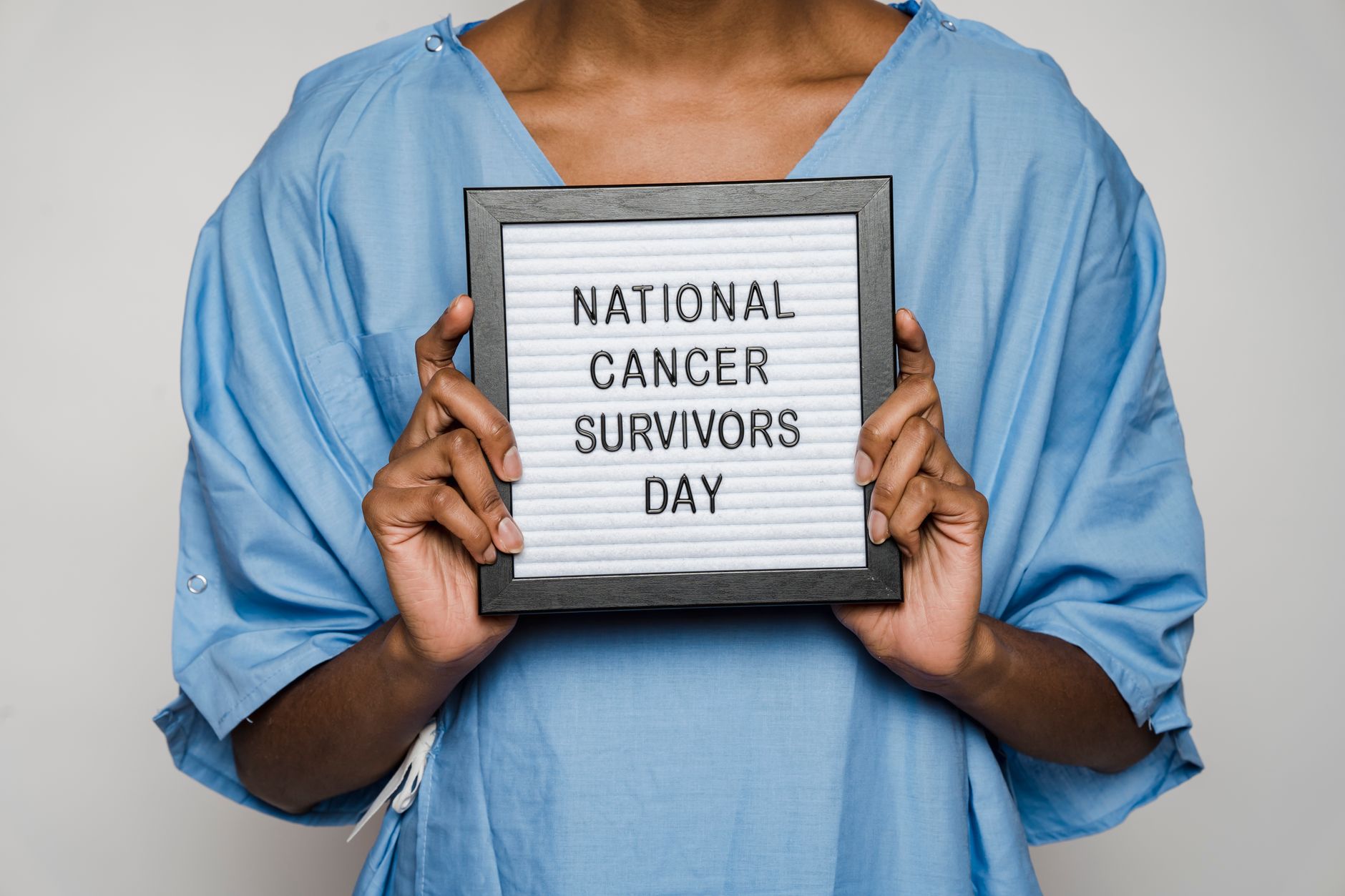
50+ Stroke Survivors Invited to Mark World Stroke Day at Aadicura Hospital, Vadodara: A Beacon of Hope and Resilience
Imagine a life where every simple task feels like climbing a mountain. Where retrieving a memory, holding a cup of chai, or even just speaking your mind becomes an arduous battle. That's the reality for many who've survived a stroke, a sudden, life-altering event that leaves an indelible mark. But what if there was a place, an event, that transformed these battles into triumphs, offering a hand of solidarity and a ray of hope? Well, that's exactly what's happening in Vadodara! This year, marking a truly significant occasion, 50+ Stroke Survivors Invited to Mark World Stroke Day at Aadicura Hospital, Vadodara, turning a day of awareness into a celebration of courage, community, and the remarkable human spirit. It's not just an event; it's a powerful statement that life after stroke is not just possible, but can be incredibly fulfilling, with the right support, as we explore in this latest news update.
What is World Stroke Day and Why Does It Matter So Much?
You know, sometimes we hear about global health days and think, "Oh, just another day." But World Stroke Day, observed annually on October 29th, is far from just another date on the calendar. It's a global call to action, a stark reminder of the devastating impact of stroke, and a powerful push for greater awareness, prevention, treatment, and support. It's about rallying the world to recognize the signs, act fast, and understand that stroke is a treatable and preventable condition.
The Global Call for Action
Globally, stroke is a leading cause of death and long-term disability. Just imagine the sheer number of families affected! This day provides a platform for survivors, caregivers, healthcare professionals, and organizations to unite. The message is clear: stroke affects everyone, and we all have a role to play in reducing its burden. It’s about creating a world where fewer people suffer strokes and those who do receive the best possible care and support to recover.
Understanding Stroke: The Silent Threat
Many of us might not fully grasp what a stroke truly is until it impacts someone close. Simply put, a stroke occurs when the blood supply to part of your brain is interrupted or reduced, depriving brain tissue of oxygen and nutrients. Within minutes, brain cells begin to die. This can lead to lasting brain damage, long-term disability, or even death. The symptoms are sudden and can include numbness or weakness on one side of the body, confusion, trouble speaking or understanding speech, vision problems, and a sudden severe headache. Recognizing these signs and getting immediate medical attention is absolutely critical – every second counts.
The Heart of Vadodara: Aadicura Hospital's Initiative
It’s truly inspiring to see local institutions step up to make a tangible difference. Aadicura Hospital in Vadodara has done just that by bringing together over 50 stroke survivors for this special World Stroke Day commemoration. This isn't just a gathering; it’s a thoughtfully curated event designed to foster connection, share journeys, and reinforce the message of hope.
Bringing 50+ Stroke Survivors Together: A Unique Gathering
Think about it: 50 individuals, each with their own unique story of battling back from a stroke. Some might be walking with a slight limp, others might speak a little slower, but all share a profound understanding of what it means to overcome. Aadicura Hospital’s initiative to gather 50+ Stroke Survivors Invited to Mark World Stroke Day at Aadicura Hospital, Vadodara is more than just a commemorative event. It’s a powerful platform for peer support, an opportunity for individuals who might have felt isolated in their recovery to realize they are part of a larger, incredibly resilient community. Such events play a crucial role in the psychosocial rehabilitation of survivors, offering a safe space to share experiences, challenges, and triumphs.
More Than Just an Event: A Community Forged
When survivors come together, magic happens. There's an unspoken understanding, a shared empathy that transcends words. This event at Aadicura Hospital goes beyond medical check-ups or awareness talks. It's about forging a community, a network of support where individuals can encourage one another, exchange tips, and celebrate small victories that outsiders might not understand. For many, this might be the first time they’ve met so many fellow survivors, transforming feelings of uniqueness or isolation into a sense of belonging. This kind of community building is invaluable for long-term recovery and mental well-being.
The Journey of Recovery: Stories of Resilience
Every stroke survivor has a unique journey, a testament to their unwavering spirit. It’s not an easy path, full of physical, emotional, and psychological hurdles, but with perseverance and the right support, remarkable progress is possible. These 50+ survivors represent countless such stories of grit.
Beyond the Medical Treatment: The Power of Support Systems
While acute medical intervention is paramount immediately after a stroke, the journey doesn't end there. In fact, it's just the beginning of a long and often challenging rehabilitation phase. This is where the power of support systems truly shines. Imagine a family member patiently helping with exercises, a friend listening without judgment, or a support group offering practical advice. These 'soft' supports are as vital as any therapy. For many survivors, the emotional burden – depression, anxiety, frustration – can be as debilitating as the physical limitations. Having a robust support system, including family, friends, and community initiatives like the one at Aadicura Hospital, can make all the difference.
Addressing the Challenges: Physical, Emotional, and Social
Stroke survivors face a myriad of challenges. Physically, they might grapple with paralysis, weakness, coordination issues, or speech difficulties. Emotionally, the sudden loss of independence, changes in personality, and fear of another stroke can lead to significant distress. Socially, they might withdraw due to embarrassment or difficulty participating in activities they once enjoyed. Addressing these complex challenges requires a multidisciplinary approach, combining various therapies with strong emotional and social reintegration strategies. Events that highlight positive outcomes, like this one, provide crucial emotional uplift.
- Pro Tip for Recovery: Remember, rehabilitation is not a race, it's a marathon. Celebrate every small improvement, no matter how tiny it seems. Consistency and patience are your best friends. Also, seek out personalized rehabilitation plans that address your specific needs and challenges.
Navigating the Road Ahead: Essential Support for Stroke Survivors
Rehabilitation is a continuous process that needs comprehensive support. From the moment of discharge from acute care, a survivor needs a tailored plan that looks at every aspect of their life. This is where the ecosystem of care truly comes into play.
Aspects of Post-Stroke Support: A Holistic View
| Aspect | Description | Key Benefits |
|---|---|---|
| Physical Therapy | Focused on restoring movement, strength, balance, and coordination. Exercises range from bed mobility to walking and specialized equipment use. | Improves gross motor skills, reduces spasticity, prevents muscle atrophy, enhances mobility and independence, reduces fall risk. |
| Occupational Therapy | Helps survivors regain the ability to perform daily activities (ADLs) like eating, dressing, bathing, and performing household tasks. Adapts environments and teaches compensatory strategies. | Enhances fine motor skills, improves self-care abilities, promotes independence in daily living, facilitates return to work/hobbies, improves overall quality of life. |
| Speech & Language Therapy | Addresses difficulties with speech (dysarthria), language comprehension and production (aphasia), and swallowing (dysphagia). Uses exercises to strengthen muscles and improve communication. | Restores communication abilities, improves swallowing safety (reducing aspiration risk), enhances social interaction, reduces frustration associated with communication difficulties. |
| Psychological Support | Counseling, therapy, and support groups to address depression, anxiety, anger, and cognitive changes post-stroke. Focuses on coping mechanisms and emotional well-being. | Helps manage emotional distress, reduces incidence of post-stroke depression/anxiety, improves cognitive function, enhances adjustment to new life circumstances, fosters mental resilience. |
| Community Integration | Programs and events that help survivors re-engage with social activities, hobbies, and community life. Includes peer support groups and vocational rehabilitation. | Reduces isolation, builds confidence, fosters a sense of belonging, provides opportunities for peer learning and mentorship, aids in return to productive roles in society. |
| Caregiver Training | Equips family members and caregivers with the knowledge and skills to provide effective support, manage challenges, and prevent burnout. | Empowers caregivers, reduces caregiver stress, improves quality of care provided, strengthens family coping mechanisms, creates a more supportive home environment. |
The Role of Rehabilitation: From Physiotherapy to Speech Therapy
Rehabilitation is the cornerstone of post-stroke recovery. It’s a team effort involving various specialists. Physiotherapists help regain physical strength and mobility. Occupational therapists focus on daily living activities, making survivors more independent. Speech and language pathologists work on communication issues and swallowing difficulties, which are very common. It’s a long haul, but consistent, dedicated therapy can lead to remarkable improvements. Aadicura Hospital likely emphasizes this holistic approach in their patient care, which makes their event for 50+ Stroke Survivors Invited to Mark World Stroke Day at Aadicura Hospital, Vadodara even more meaningful, showcasing the results of such dedicated efforts.
Mental Well-being: A Crucial Part of Recovery
We often talk about the physical aspects of stroke recovery, but the mental and emotional toll is equally significant. Many survivors experience depression, anxiety, or changes in mood and personality. It's a natural reaction to such a profound life change. Providing psychological support, counseling, and encouraging participation in support groups is paramount. Ignoring mental health can severely impede physical recovery. A holistic approach, therefore, must encompass robust mental health support to ensure a survivor can truly thrive.
Common Mistakes in Stroke Recovery:
- Giving up too soon: Recovery is slow; don't get discouraged by plateaus.
- Ignoring mental health: Depression and anxiety are common and need professional help.
- Lack of caregiver support: Caregivers need breaks and resources too.
- Isolation: Avoiding social interaction hinders recovery and well-being.
- Stopping therapy prematurely: Consistency is key even after initial improvements.
Benefits & Features of Comprehensive Stroke Care:
- Early Intervention: Faster recovery outcomes.
- Personalized Rehabilitation Plans: Tailored to individual needs.
- Multidisciplinary Team: Experts across various fields working together.
- Caregiver Education & Support: Empowering families to provide the best care.
- Community Integration Programs: Helping survivors rejoin social life.
- Advanced Technology & Therapies: Utilizing modern tools for better results.
Why Aadicura Hospital Stands Out in Stroke Care and Support
It's not every day you see a hospital taking such a proactive, community-focused approach to post-stroke care. Aadicura Hospital’s initiative highlights their deep commitment not just to treating illness but to fostering long-term well-being and community engagement. This sets them apart as a leader in healthcare within Vadodara and beyond.
A Commitment to Holistic Healing
Aadicura Hospital seems to understand that healing isn't just about medications and procedures. It's about restoring a person's life in its entirety. By organizing an event where 50+ Stroke Survivors Invited to Mark World Stroke Day at Aadicura Hospital, Vadodara can connect and share, they are demonstrating a commitment to the emotional and social aspects of recovery, which are often overlooked. This holistic view of patient care is what truly defines a patient-centric institution.
The Impact of Community-Centric Initiatives
Such community-centric events have a ripple effect. They not only uplift the survivors present but also send a powerful message to the wider public about the importance of awareness and support. It encourages other healthcare providers to adopt similar strategies and inspires potential patients to seek timely intervention and comprehensive rehabilitation. This kind of initiative makes healthcare more accessible, empathetic, and ultimately, more effective. It's about empowering people, not just treating their ailments.
- Why Choose Aadicura Hospital for Stroke Care?
- Patient-Centric Approach: Focus on individual needs and long-term recovery.
- Dedicated Stroke Unit: Specialized care for acute stroke management.
- Comprehensive Rehabilitation Services: From physio to speech therapy, all under one roof.
- Community Engagement: Actively involved in patient support and awareness programs like this one.
- Experienced Team: Highly skilled neurologists, therapists, and support staff.
- Advanced Diagnostics: Ensuring accurate and timely diagnosis.
A Call to Action: Be Part of the Stroke Awareness Movement
We've talked a lot about recovery, but let’s not forget the first step: prevention and rapid response. Everyone has a role to play in reducing the burden of stroke. This event, where 50+ Stroke Survivors Invited to Mark World Stroke Day at Aadicura Hospital, Vadodara, serves as a powerful reminder for us all.
Prevention is Better Than Cure: Lifestyle Choices
Many strokes are preventable through simple lifestyle changes. Managing blood pressure, controlling diabetes, reducing cholesterol, regular exercise, a balanced diet, limiting alcohol, and quitting smoking can significantly lower your risk. It's about making conscious choices for your health today to prevent a crisis tomorrow. Regular health check-ups and open conversations with your doctor are also vital. [Learn more about stroke prevention on our blog].
Recognizing the Signs: Act FAST
Knowing the signs of a stroke and acting quickly can save a life and minimize disability. Remember the acronym FAST:
- Face drooping: Is one side of the face drooping or numb? Ask the person to smile.
- Arm weakness: Is one arm weak or numb? Ask the person to raise both arms. Does one arm drift downward?
- Speech difficulty: Is speech slurred? Is the person unable to speak or hard to understand? Ask the person to repeat a simple sentence.
- Time to call emergency services: If you see any of these signs, even if they go away, call 108 (or your local emergency number) immediately.
Every minute counts! The faster a person receives treatment, the better their chances of recovery.
Latest News Update: What This Event Means for Current Affairs in Healthcare
In the grand scheme of current affairs, especially concerning public health, an event like this at Aadicura Hospital isn't just a local happening; it sets a precedent. It highlights a forward-thinking approach to patient care that extends beyond hospital walls, impacting broader healthcare dialogues.
Setting a Benchmark for Patient Engagement
The initiative to gather 50+ Stroke Survivors Invited to Mark World Stroke Day at Aadicura Hospital, Vadodara, is a fantastic example of patient engagement done right. It shows that healthcare isn't just about doctor's appointments; it's about building enduring relationships with patients, understanding their long-term needs, and creating support networks. This level of engagement can significantly improve patient compliance with rehabilitation, reduce readmission rates, and generally lead to better health outcomes. It's a benchmark for how hospitals can truly serve their communities, especially when dealing with chronic conditions that require extensive follow-up.
A Model for Other Healthcare Providers
This event could very well become a model for other hospitals and healthcare providers across India and even globally. It demonstrates the immense value of moving beyond purely clinical care to embrace community-based support. When hospitals actively facilitate survivor communities, they not only enhance individual recovery but also contribute to a more informed and resilient society. This holistic, empathetic approach is the future of healthcare, and Aadicura Hospital is certainly leading the charge in this latest news update from Vadodara's healthcare landscape.
Frequently Asked Questions (FAQs) About World Stroke Day and Stroke Recovery
Related Stories
- Footballer dies after on-field collision: Ultimate Guide, Latest Updates, and Key Insights
- Indian Sailor Killed In Attack On Cargo Vessel 'Al Jusufi' Off Oman Coast: Ultimate Guide, Latest Updates, and Key Insights
- "India Is A Secular Country": Bombay High Court Slams BJP Leaders' Remarks On Dia Mirza's Firecracker Row – What It Means for Our Nation
- Shamonda Virus Detected in UK Livestock for the First Time: Ultimate Guide, Latest Updates, and Key Insights
- What time do polls open and close in the US midterm elections 2026?: Ultimate Guide, Latest Updates, and Key Insights
External Sources
Frequently Asked Questions
What is the significance of 50+ Stroke Survivors being invited to Aadicura Hospital, Vadodara for World Stroke Day?
The invitation of over 50 stroke survivors to Aadicura Hospital, Vadodara for World Stroke Day is highly significant. It marks a powerful community-building initiative, offering survivors a platform for peer support, shared experiences, and reduced isolation. It highlights the hospital's commitment to holistic patient care that extends beyond medical treatment, focusing on emotional, social, and psychological well-being crucial for long-term recovery. It also raises broader awareness about stroke and the importance of rehabilitation.
When is World Stroke Day observed, and what is its primary goal?
World Stroke Day is observed annually on October 29th. Its primary goal is to raise global awareness about stroke, advocate for better prevention, treatment, and care, and highlight the impact of stroke on individuals and families worldwide. It encourages people to understand stroke risks, recognize its symptoms, and take immediate action.
What are the key elements of effective post-stroke rehabilitation and why are they important?
Effective post-stroke rehabilitation involves a multidisciplinary approach including physical therapy (for movement and strength), occupational therapy (for daily living activities), speech and language therapy (for communication and swallowing), and psychological support (for mental well-being). These elements are crucial because stroke can affect various bodily functions, and comprehensive, personalized rehabilitation helps survivors regain independence, improve quality of life, and address emotional challenges.
How can community initiatives like the one at Aadicura Hospital benefit stroke survivors and their caregivers?
Community initiatives like the event at Aadicura Hospital offer immense benefits. For survivors, they provide a sense of belonging, reduce feelings of isolation, and offer opportunities for peer mentorship and encouragement. For caregivers, such events can provide respite, resources, practical advice from others facing similar situations, and a platform to share their own challenges and triumphs, helping to prevent caregiver burnout.
What simple steps can individuals take to reduce their risk of stroke?
Individuals can significantly reduce their risk of stroke through several lifestyle changes. These include maintaining a healthy blood pressure, managing diabetes and cholesterol levels, engaging in regular physical activity, eating a balanced diet rich in fruits and vegetables, limiting alcohol consumption, and quitting smoking. Regular medical check-ups and consulting a doctor about any risk factors are also vital for prevention.
Discussion (0)
No comments posted yet. Start the conversation below!
Leave a Reply