
With so many restaurants to choose from on the bustling streets of Mumbai’s Colaba, the recently launched Araku stands out for its dedication to regenerative agriculture produce. Located on the ground floor of Sunny House, built by the Nawab of Surat in 1897, Araku is spread over 2,800 square feet, over two levels, and seats 55 diners.
Designed by New York-based architect George Zapatave, the space includes bamboo chandeliers crafted by artisans from the north-east as well as a 3D relief map of the Araku Valley in Andhra Pradesh, highlighting the villages – Gondivalasa, Doravalasa, Thudum, Dumagudri and Nandivalasa – where tribal farmers grow coffee on more than 60,000 small estates.
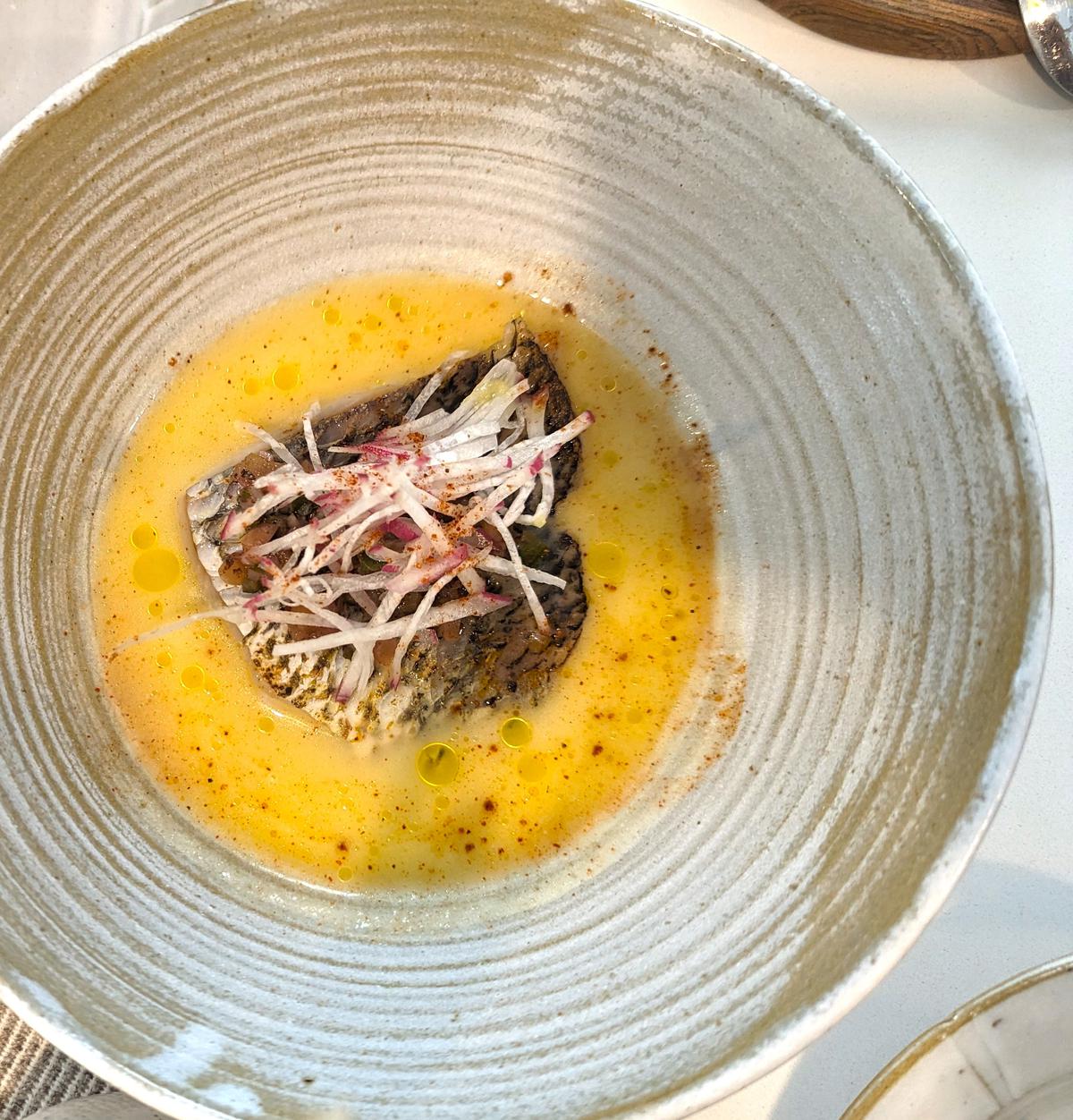
Ghee Poached Fish has a delicate flavor with homemade podi salsa inspired by South Indian lentil and masala podi. , Photo courtesy: Purnima Sah
Regenerative agriculture is an agricultural practice that focuses on reviving and reviving soil health through practices such as reduced tillage, cover crops, and crop rotation. In other words, agriculture combines sustainable farming techniques to restore and promote the ecosystem of the land. “Regenerative farms are at the top of the ecological sustainability pyramid,” says Manoj Kumar, co-founder and CEO of Araku Nandi Foundation.
There are no exotic ingredients on the menu, yet Chef Rahul Sharma, Brand Executive Chef, Araku, has made sure to incorporate contemporary and global flavors with a twist. Rahul says, “Our menu, which includes season-driven small plates, is cuisine-agnostic. It is driven by the sole belief that our thoughtful choices will contribute to shaping the future of our planet.”
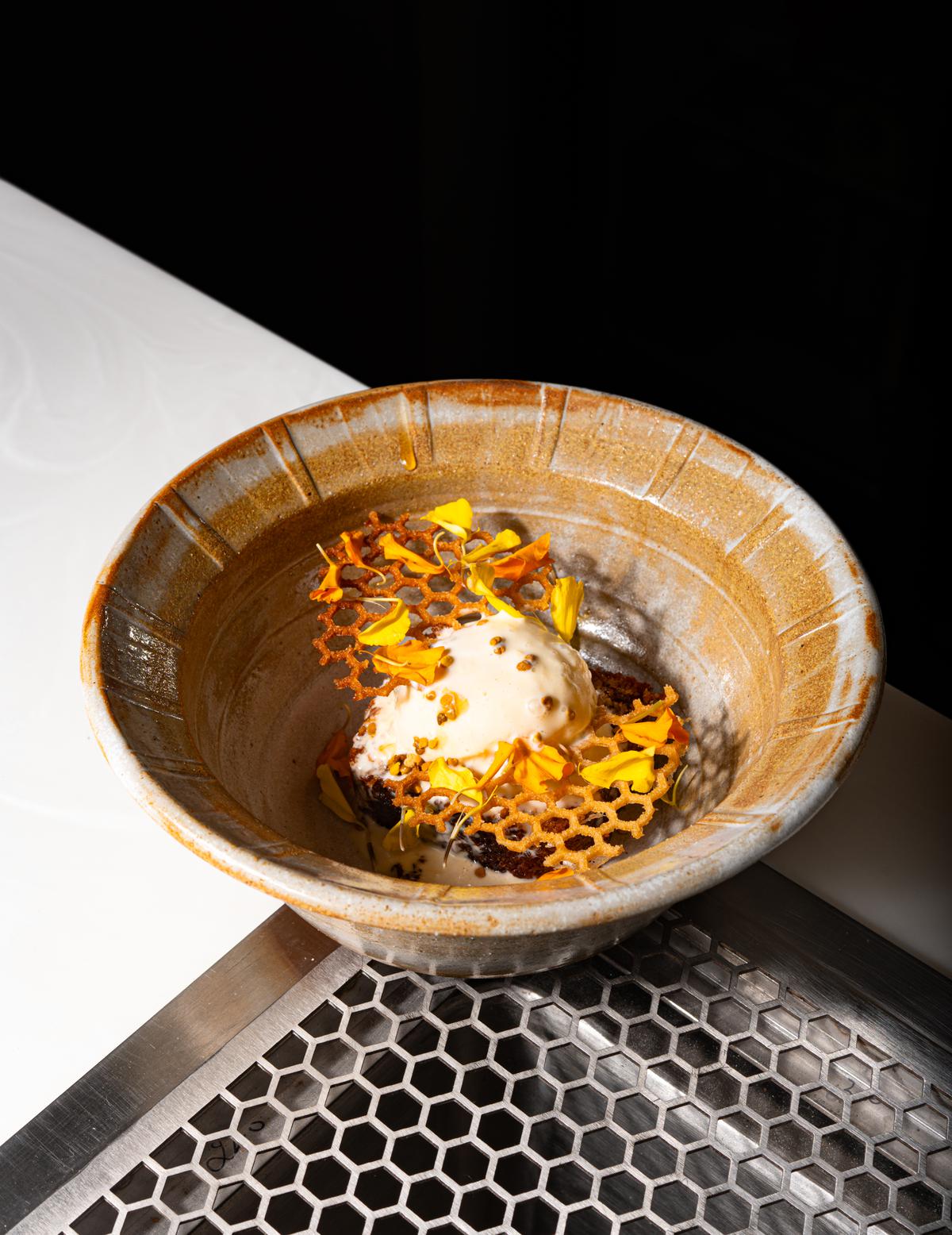
Beeswax Ice Cream | Photo Credit: Special Arrangement
Everything from the tofu to the cream cheese is made in-house, he says, “We’re figuring out how the same ingredient, for example beets, can be used three ways on the same dish; or potatoes can be used for a dessert. There aren’t enough regen farms or growers that cater to restaurants, which is why we’re working with home-style ingredients.” For example, spicy green chili leaves from the Araku Valley are presented as batter-fried crisps, and served with spicy green chili aioli and zug; Chicken cooked with koji makes a juicy dish; Chokha-inspired smoked eggplant with lacto-fermented black pepper sauce served with zero-waste sour papad.
Video Credit: Purnima Sah
The global debut of the brand Araku began with the sale of green coffee beans – by invitation only – to specialty coffee importers in Europe, Japan and South Korea. “Then in 2017, we launched the first retail store in the Marais, the famous gastronomic neighborhood of Paris. As soon as Covid ended, a flagship and specialty coffee academy was launched in Bengaluru. Encouraged by the overwhelming response in Bengaluru, we decided to launch the first, specialty, regenerative agriculture-based restaurant in Mumbai,” says Manoj. The space has a cozy cocktail bar and lounge as well as a spacious bakery on the mezzanine.
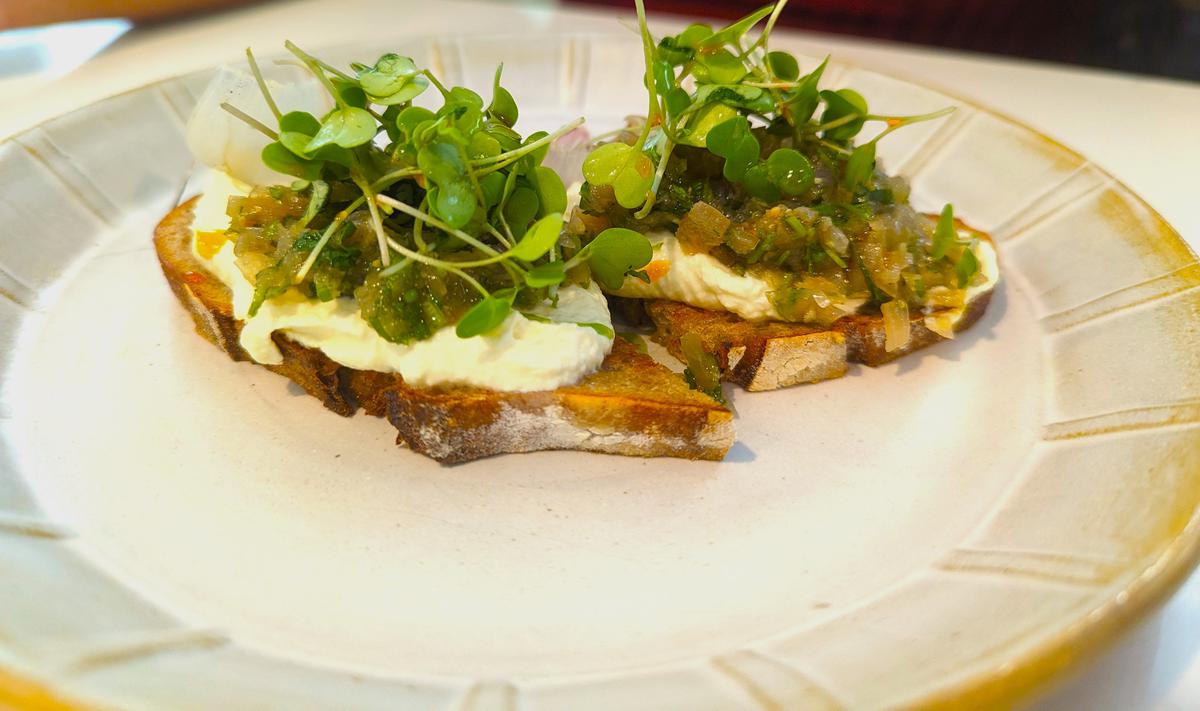
The sweet and acidic masala toast is Araku’s house-made sourdough topped with Philly cheese, a cream cheese sourced from Puttaparthi, Andhra Pradesh. , Photo courtesy: Purnima Sah
The launch is associated with #Aracunomics, an integrated economic model that ensures profits for farmers and quality for consumers through regenerative agriculture. It builds on the work the non-profit trust Nandi Foundation has done with tribal farmers in the Araku Valley for more than 20 years.The lead investor and chairman of the social enterprise is Anand Mahindra.
Try the masala toast here, made from their homemade dough topped with cream cheese Philly cheese brought from Puttaparthi, Andhra Pradesh. A2 milk is used to make the cheese and is served with pickled green peppers from Araku as well as charred onions, spicy mustard, pickled lemon-honey and microgreens.
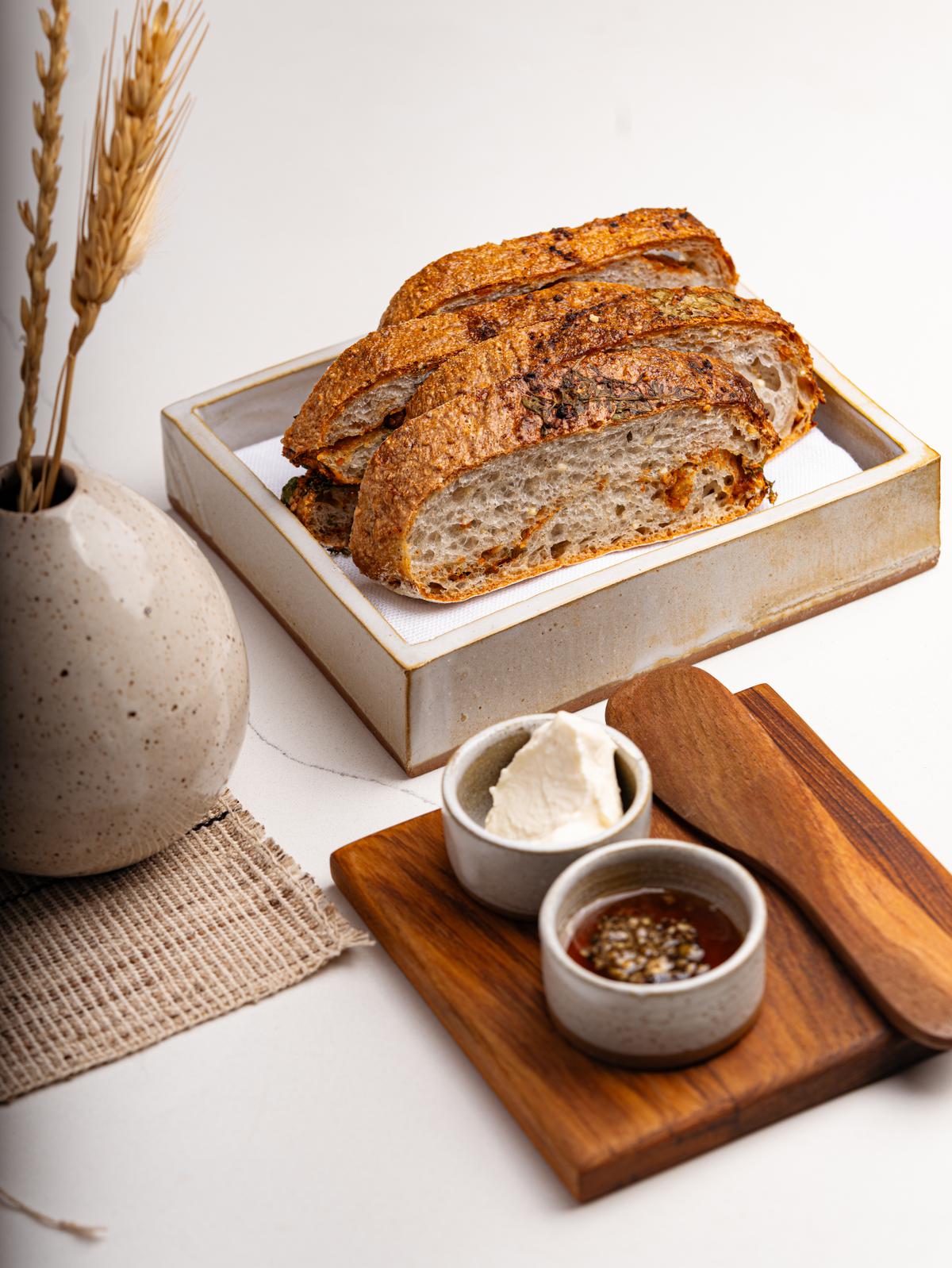
Araku’s Garlic Thecha with Focaccia Bread. , Photo Credit: Special Arrangement
We enjoy the Beetroot and Apple Iced Tea Mocktail made with smoked beetroot, pineapple, lavender tea, lemon juice and ginger ale. Instead of a typical syrup, mixologists have created a beet-saccharum in which they smoke the beetroot, and store it with sugar, so that it releases the juices and flavor into the sugar. We also try the tepache highball, house-made tepache and refreshing jasmine soda.
Main courses include fish cooked in ghee, which is popular due to its mild flavor and home-made podi salsa. We’ve paired it with a starchy, ancient, short-grain rice variety called Kalanamak from Shravasti, Uttar Pradesh. Other highlights of the menu include kidney bean aioli, country chicken, spicy tomato and cheese salad, purple sweet potato gnocchi and coconut noodles. Desserts include wax ice cream, potato chocolate cake and rhubarb and cream cake.
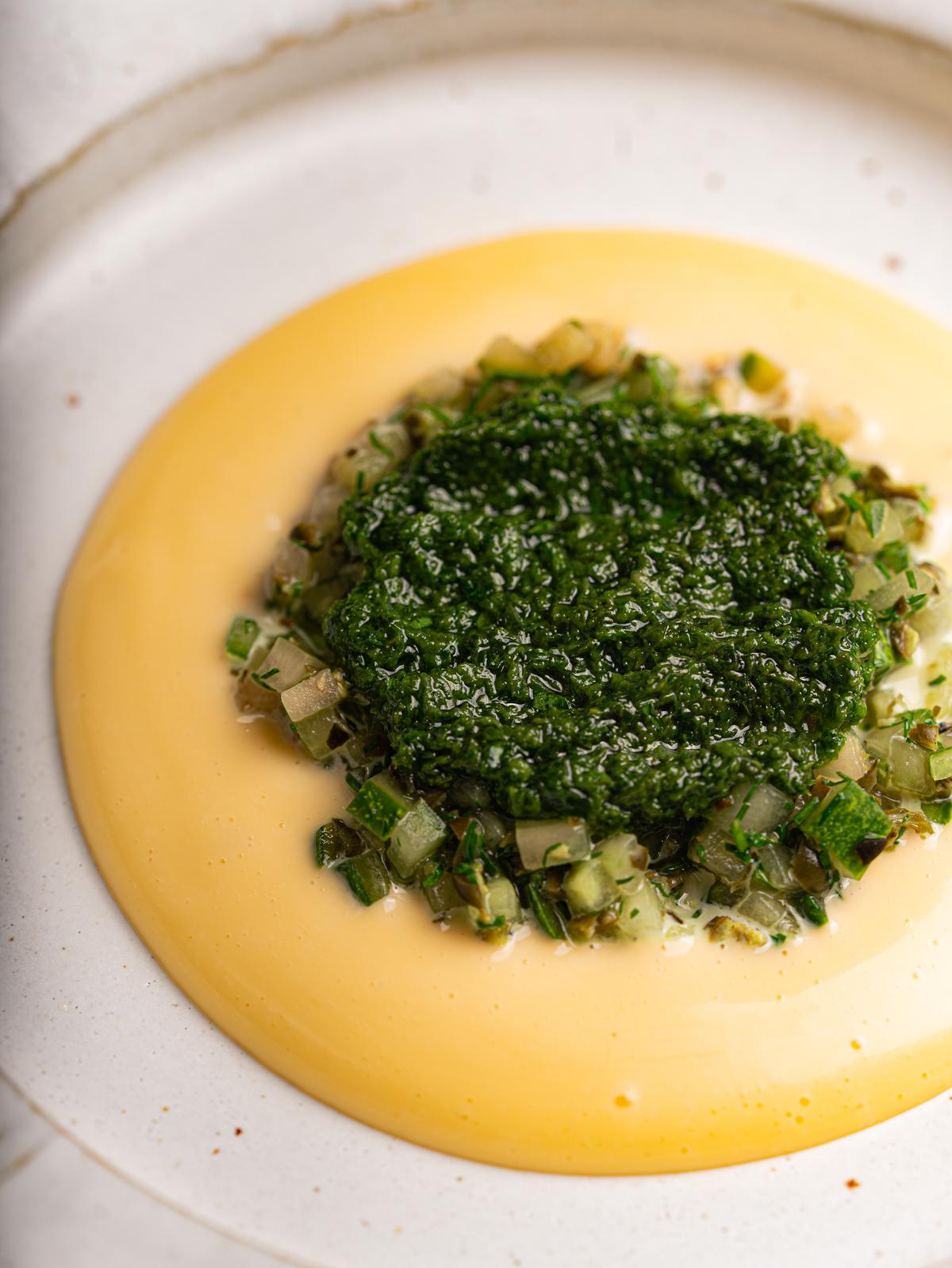
Black Pepper Aioli | Photo Credit: Special Arrangement
We finish lunch with hemp mousse and green chili biscuits; The latter is made of 72% dark chocolate mousse mixed with hemp seeds, candied hazelnuts, house-made strawberry jam and green chilli biscuits. The green chillies used in the biscuits are also sourced from the regenerative agriculture-based gardens of Araku, while the chocolate used is of Indian origin, coming from Idukki in Kerala.
Restaurateur Aditi Dugar, chief brand advisor, retail and lifestyle at Araku, explains why a menu can be the most powerful way to spread the message of ‘regen-dining’. Saying this is the next food frontier, she says, “Regen agriculture goes beyond sustainability, in that it makes the soil richer than when you started. Our goal is to make it more mainstream, and that’s only possible if more people are curious about it.”
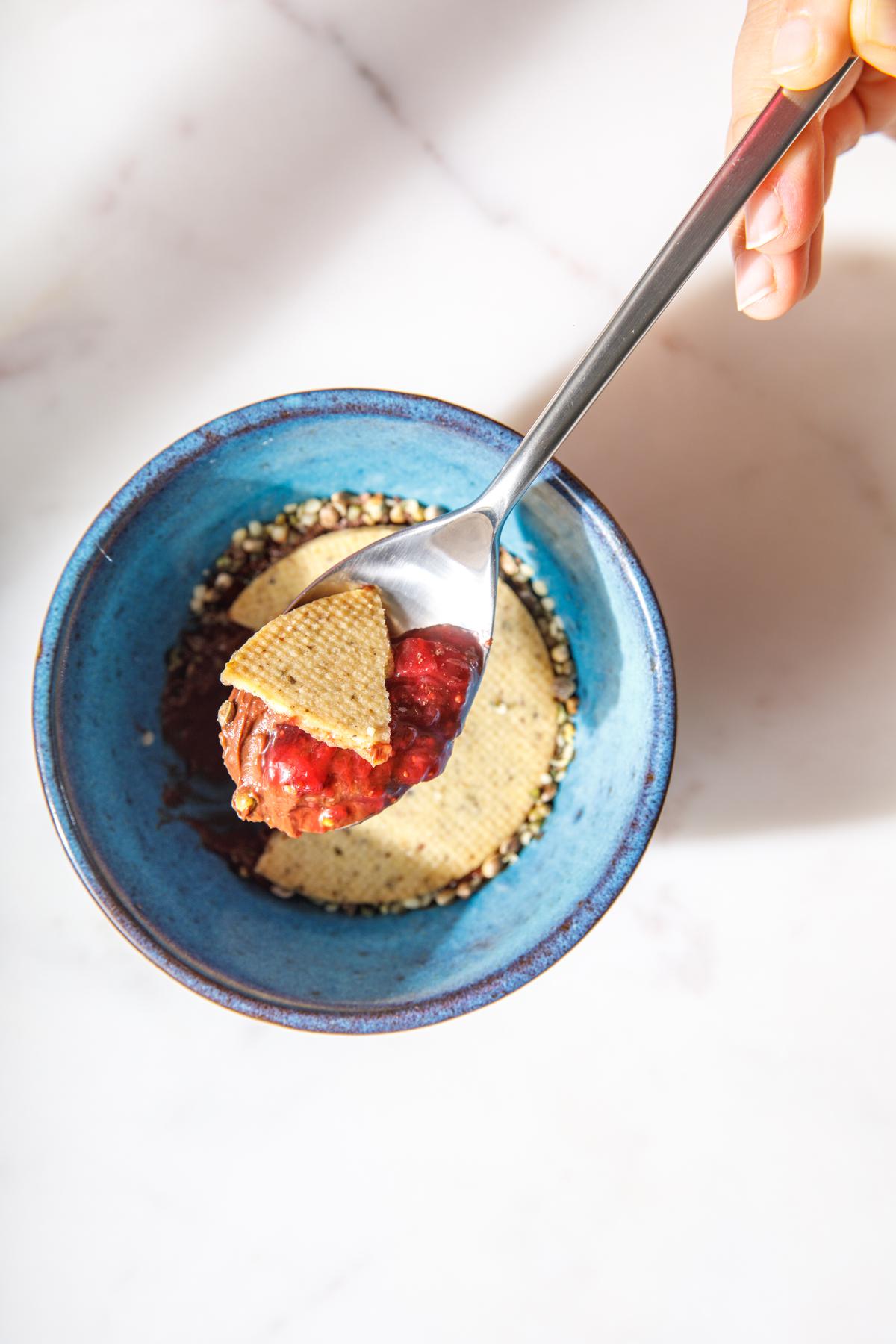
Hemp Mousse and Green Chilli Biscuits | Photo Credit: Special Arrangement
Araku is at No. 1, Sunny House, Mandlik Road Behind Taj Mahal Hotel, 400001 Mumbai; Tuesday to Sunday, 12 noon to 3.30 pm (lunch) and 7 pm to 1 am (dinner service until 10.30 pm). ₹2,400 for two without alcohol, and ₹3₹500 with liquor. For reservations, call +91 7337205222
