
Ramzan announces itself quietly. Not just through fasting or prayer, but through the kitchen, both domestic and devotional, where wastage is avoided and food is prepared with a sense of purpose.
Throughout the Islamic world, from Istanbul to Sylhet, from Fez to London, from Kashmir to Kayalpattinam, cooking in Ramadan has always struck a careful balance: fasting and feasting, moderation and generosity. Some of the most thoughtful writing on Muslim food reflects this interiority, offering recipes shaped by memory, ethics, and care.
One of the most poignant explorations of this philosophy comes from Turkish food scholar Nevin Halisi Sufi cuisine. Based on Konya, the city of Rumi, and the Mevlevi order, this book treats cooking as a spiritual act. “For Sufis, food was sacred, cooking was a form of prayer, and eating was a blessed activity,” explains Halisi. She says the kitchen is the soul of the Sufi lodge. Initiation into spiritual life often begins not with scripture, but with learning to cook and serve others.
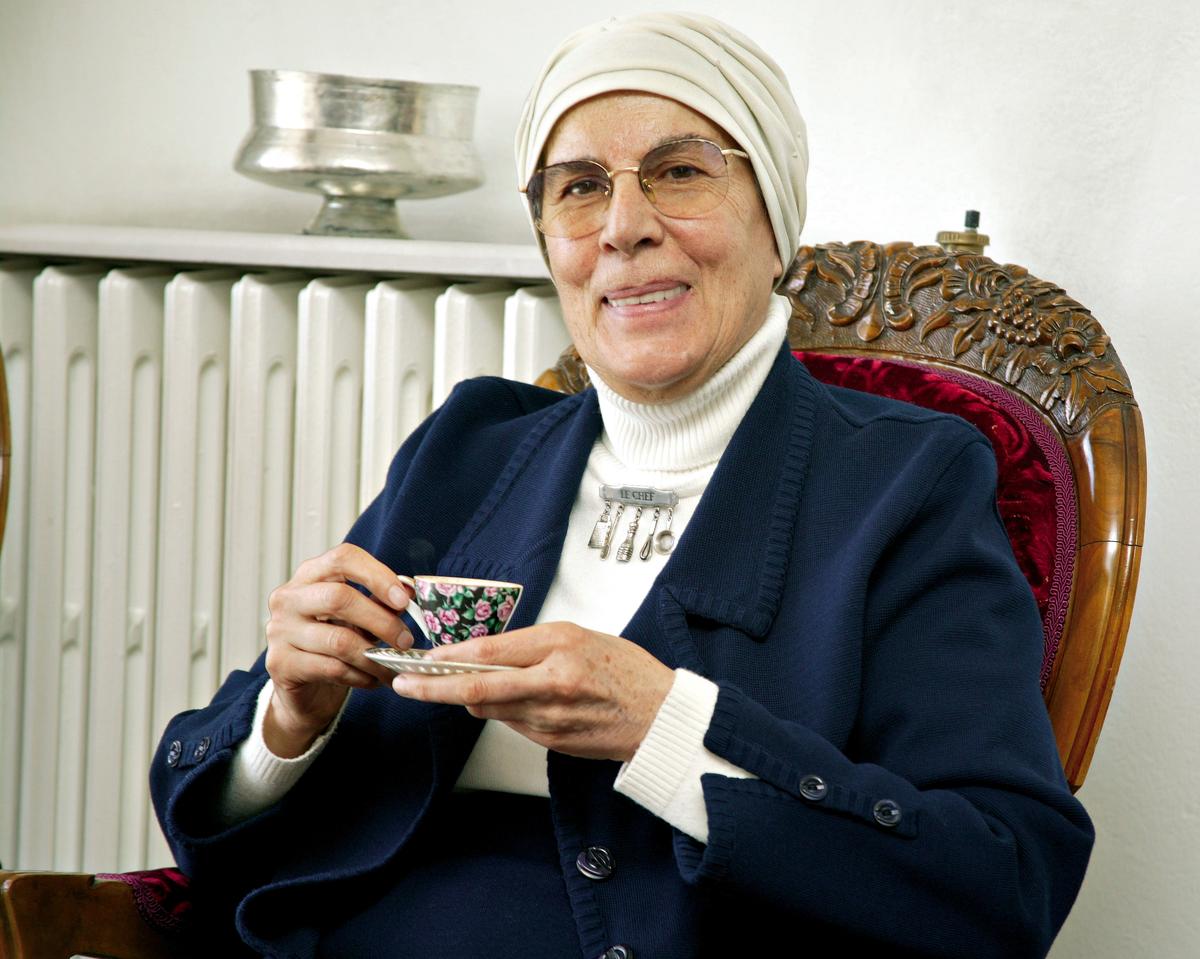
Turkish food scholar Nevin Halisi | Photo Credit: Wiki Commons
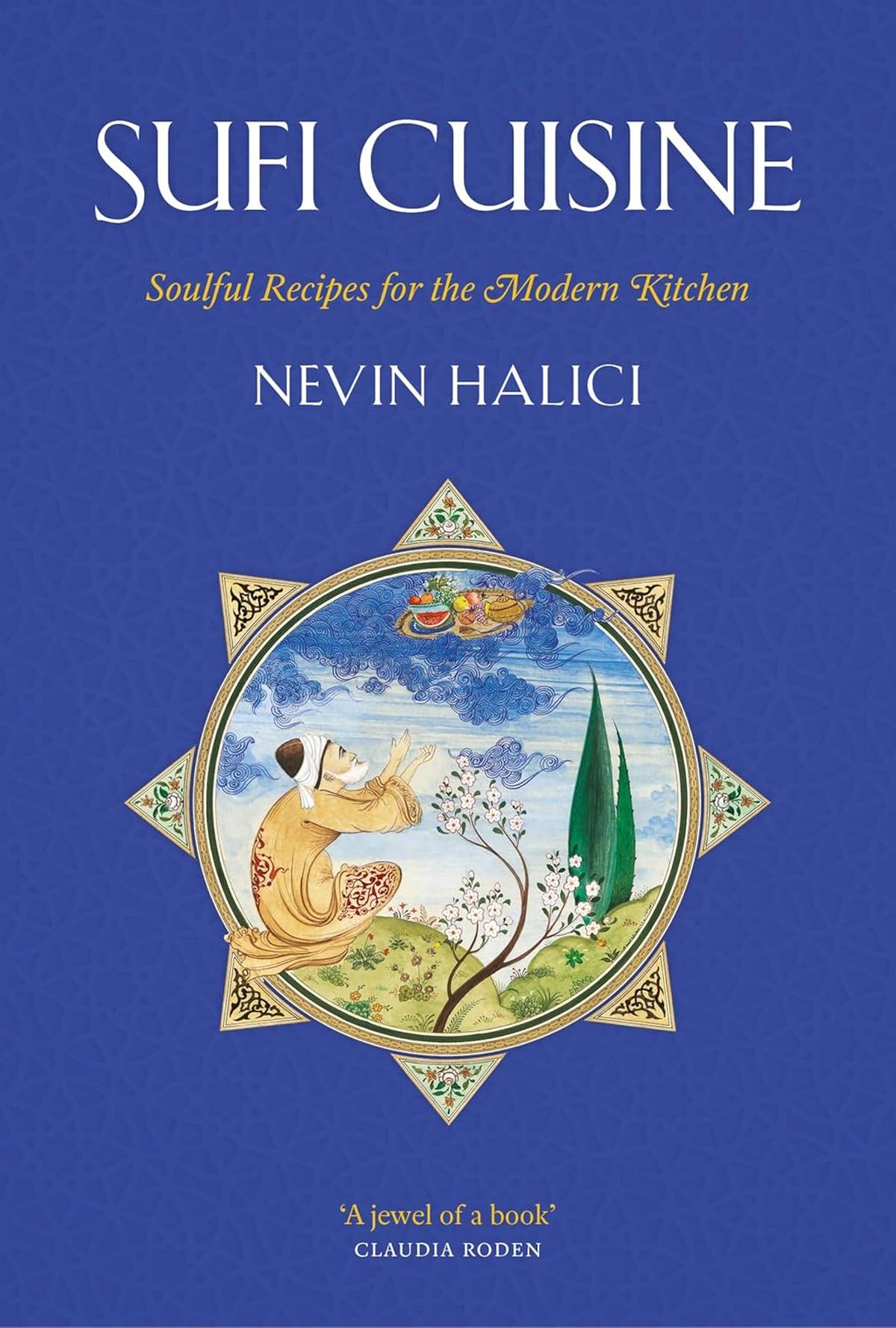
The book is full of poetry and restraint, highlighting grain stews, yogurt soups, and ritual dishes. AshuraCooked communally during the period of mourning. “Nutrition is important in Sufi cuisine because worship is possible only in well-being,” says Halisi. He said moderation and sharing are as central as taste. It’s a way of thinking about food that is deeply reflected upon during Ramadan, when moderation itself becomes a form of mindfulness.
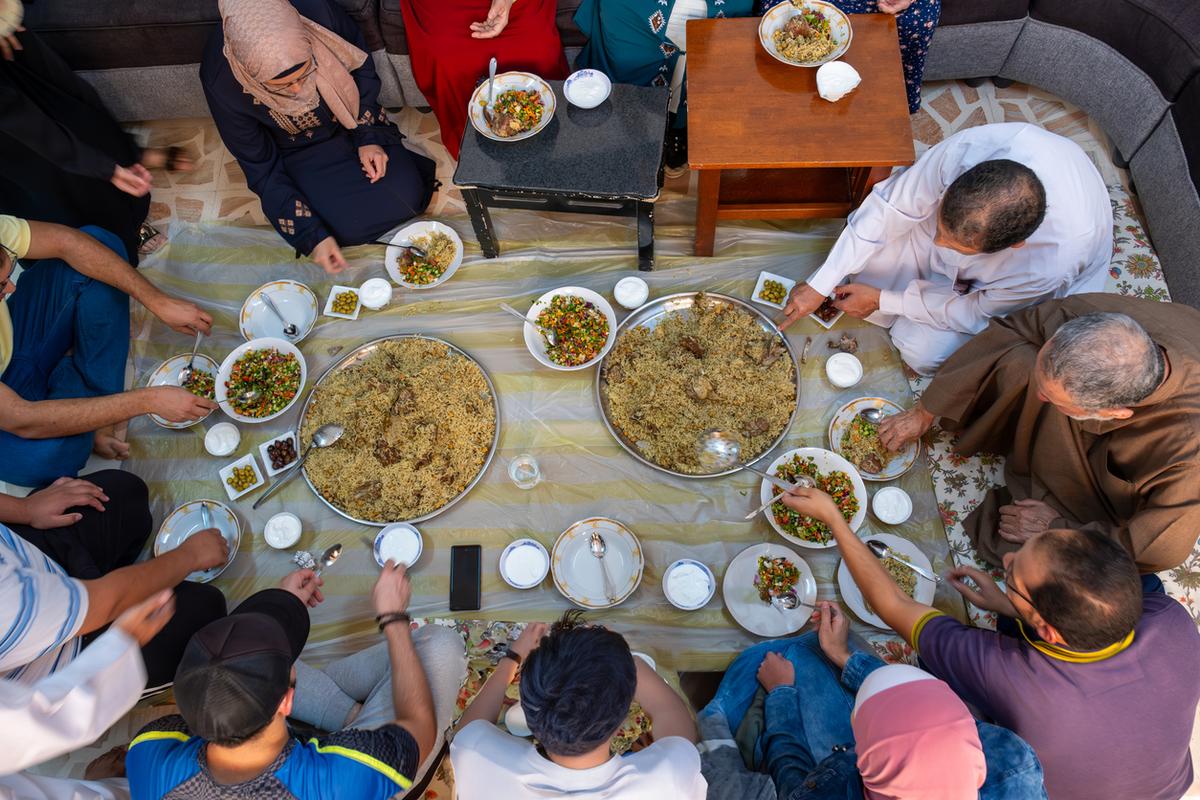
Along with taste, moderation and sharing are equally important during the holy month of Ramadan. | Photo Credit: Getty Images
cooking as anchor
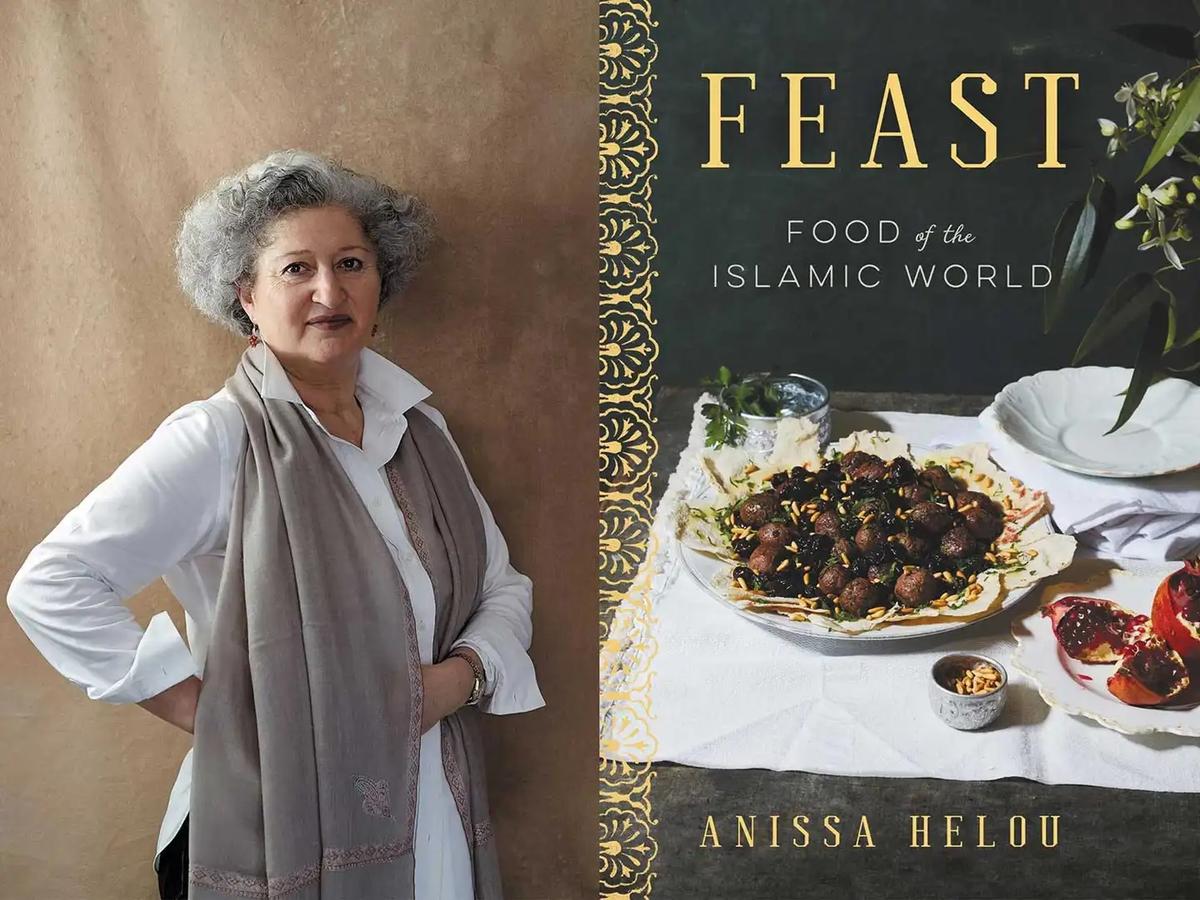
If Sufi cuisine turns inward, the James Beard Award-winning cookbook, Feast: Food of the Islamic WorldAnissa looks out by hello. One of the most comprehensive works on Muslim food cultures, feast Spanning geographical areas from North Africa and the Levant to Central and Southeast Asia. Hellou writes with the authority of a scholar and the clarity of a teacher, showing how Islamic cuisine developed through trade routes, migration, and empire. Her food – soups, breads, lentils, slow-cooked stews – is rarely pretentious, but it reflects the everyday nutrition that sustains long fasting days in different cultures.
From Morocco comes a more personal, very contemporary voice. Chef Najat Kanache’s deliverance It’s part memoir, part culinary manifesto. Born to Moroccan parents and trained in some of the world’s most renowned kitchens, Kanache returned to Fez to open Nour, a restaurant rooted in Moroccan tradition but not afraid of modern expression. “Food is history, culture, geography,” she says. “Food is also politics.” For that, a Chakkauka Made with eggs, tofu and tomatoes “makes a comforting dish”. During Ramadan, such humble, deeply sustainable food seems especially resonant.
Ramadan food writing in Britain has also been shaped by migration and memory. magnificently built RuzaNadiya Hussain lists Ramadan highlights from around the world but highlights her Bangladeshi roots with warmth and accessibility. “As a child of immigrants, I never understood the importance of the food left behind by my grandparents and parents,” Hussain explains. “Now I see how food connects us to our heritage.”
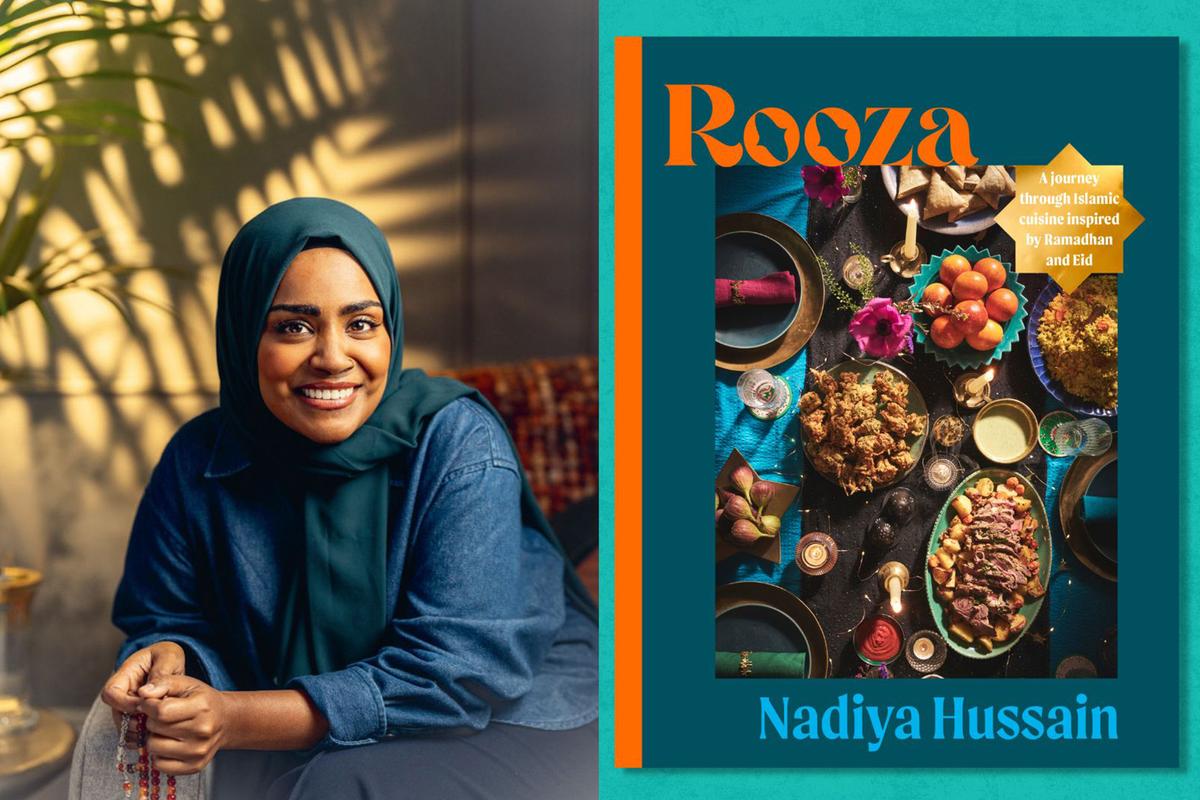
The book progresses slowly through Ramadan and Eid, offering Khichuri, foolishness And sweets, not as nostalgia but as living practice. Hussain often speaks about balance: “Life will always be busy, but it’s about taking the time to cook slow or cook fast, without compromising on taste.”
That sensibility is echoed in the work of Dina Begum, whose Made in Bangladesh Presenting East Bengali cuisine with simplicity and care. For Begum, festive food is like a nutritious thali Khichuri with roasted gramlight pulses, vegetables foolishness. She often returns to the idea of food as comfort in immigrant communities, where market and everyday home food, especially during Ramadan, become the basis for connecting families to memory and well-being.
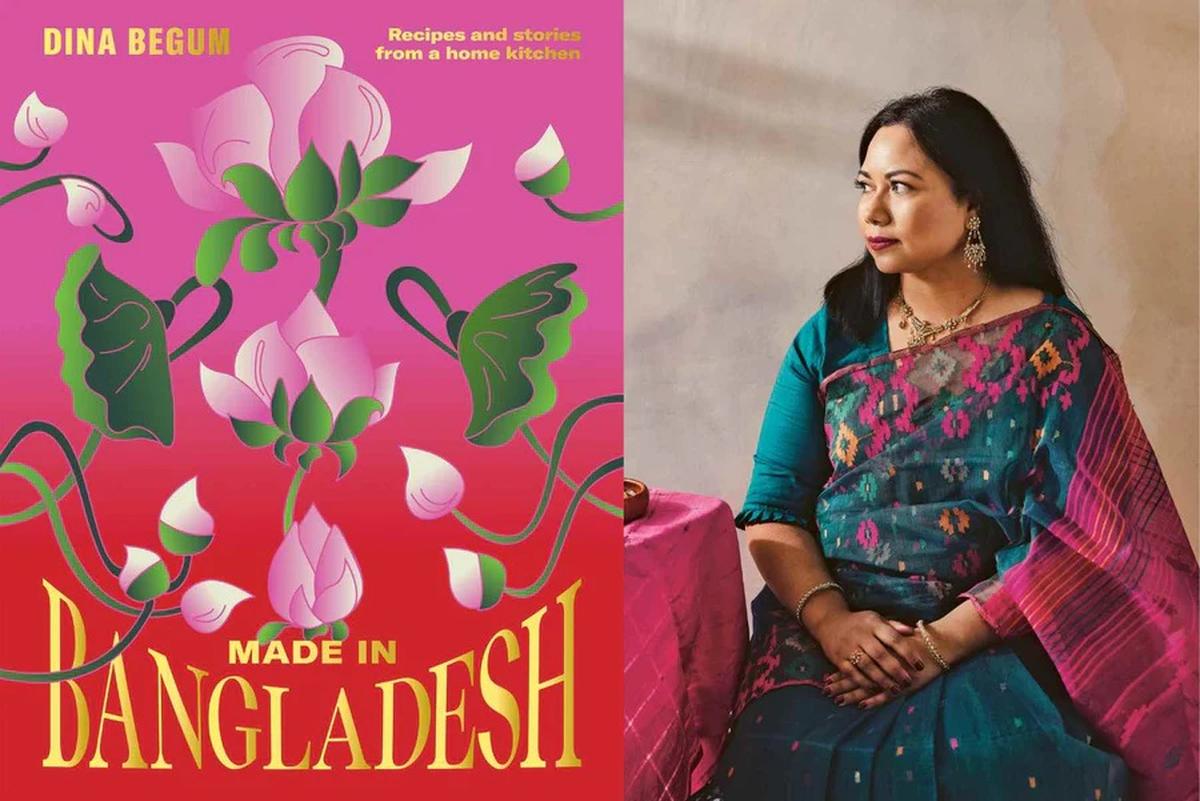
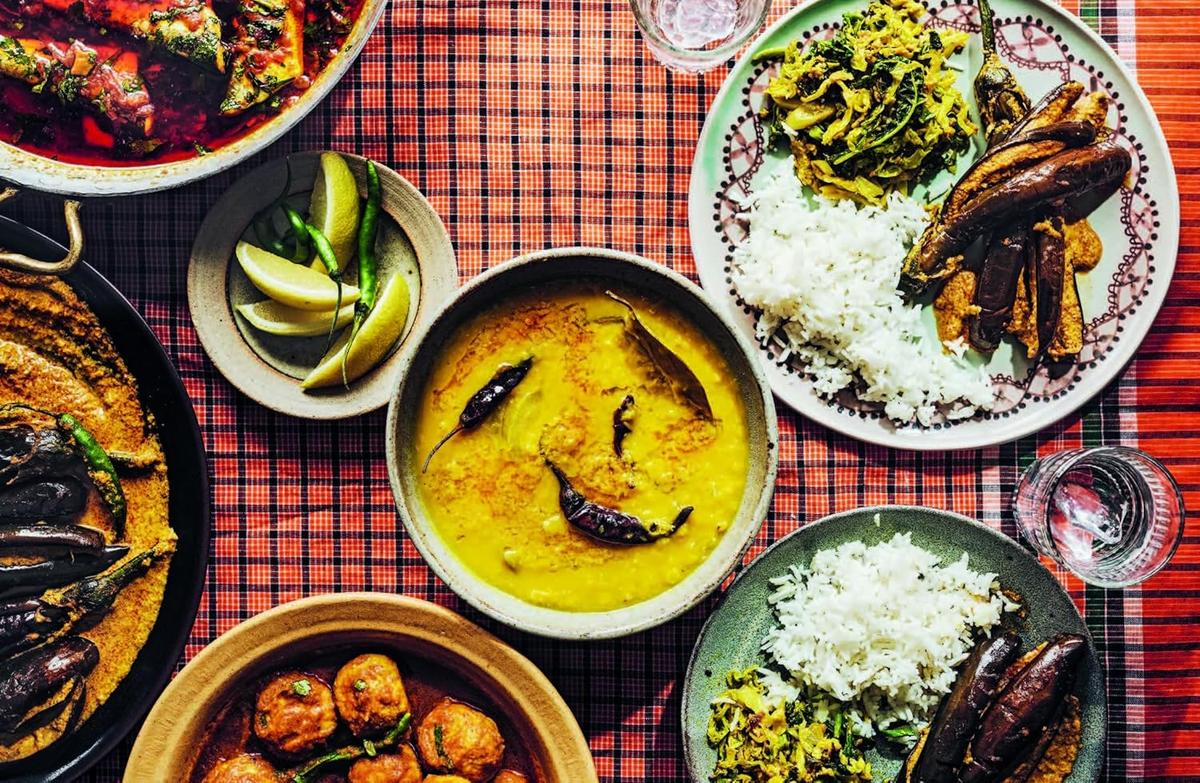
A page from Dina Begum’s cookbook Made in Bangladesh.
season of stories
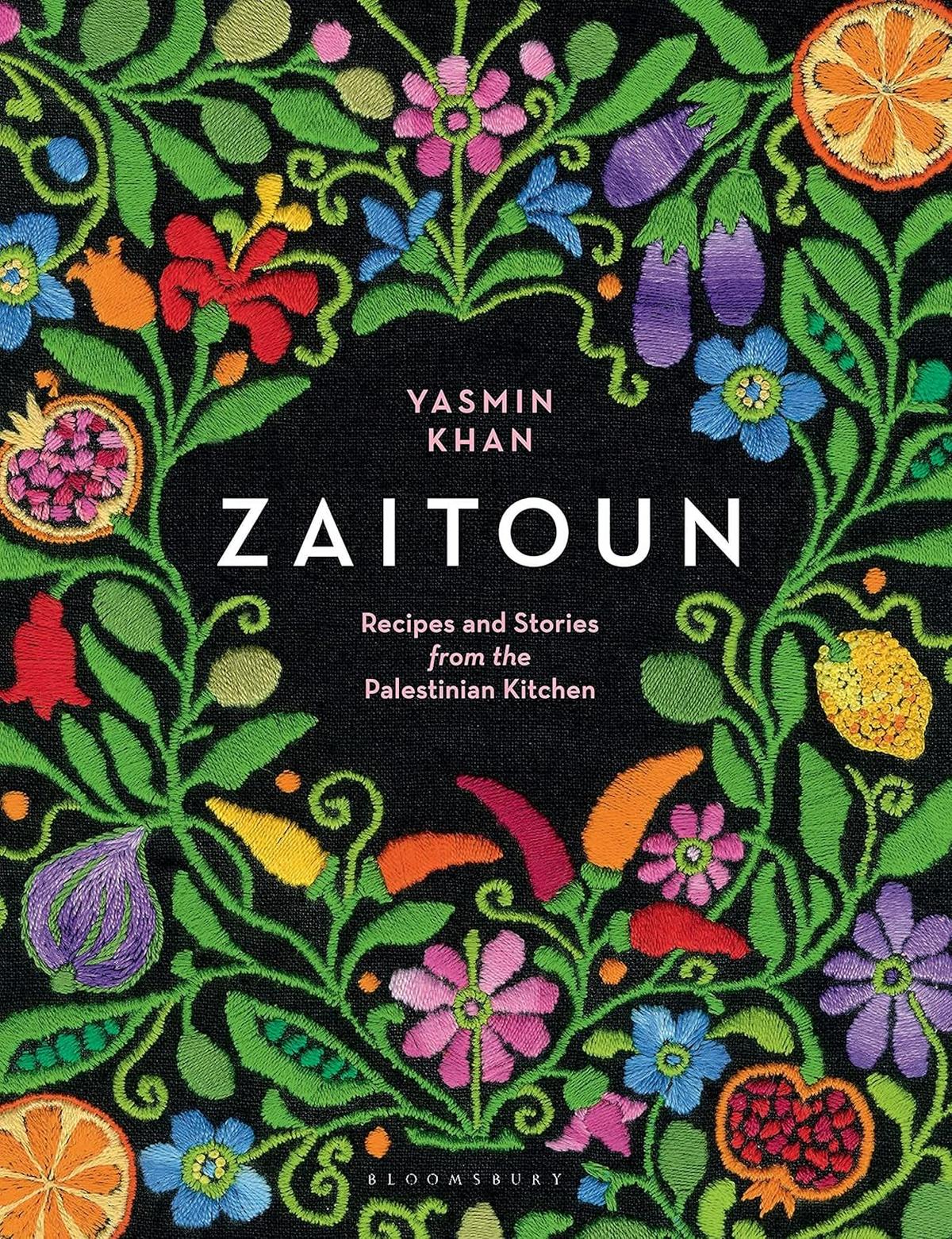
Books like Yasmin Khan Zeitoun: Recipes and Stories from the Palestinian Kitchen Remind us that Ramadan food is also about stamina. Olive oil, lentils, flatbreads and citrus anchor recipes for land, weather and survival.
In India, Muslim culinary history has long been preserved through scholarship and home kitchens. Salma Hussain’s Alwan-e-Nemat: A journey through Jahangir’s kitchen A 16th-century manuscript opens a window into the cuisine of the Mughal court. While the dishes speak of royal tables, Hussain places them within the broader history of Persian influences, techniques and flavors that continue to shape Ramadan cooking in North Indian homes.
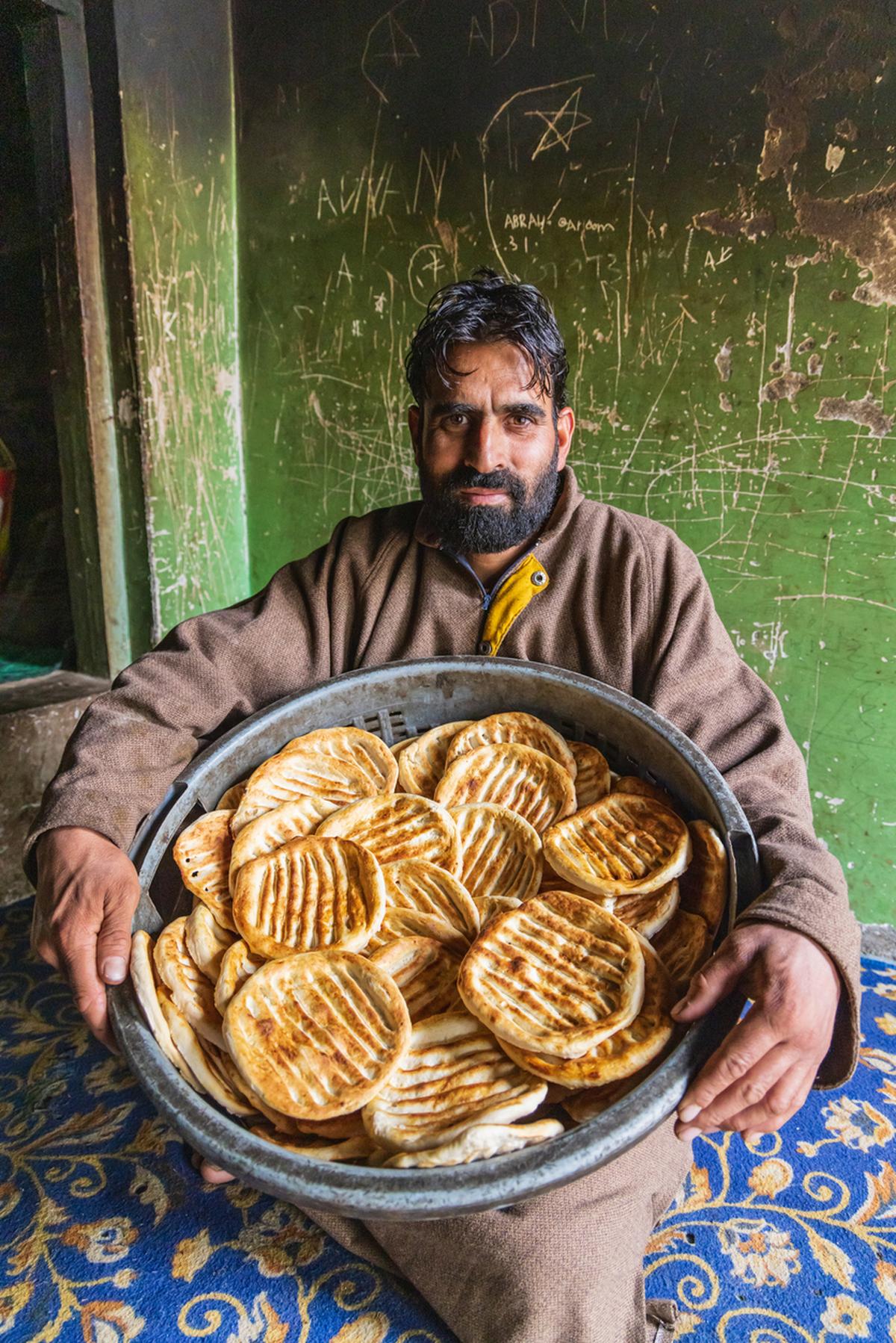
A baker with freshly made flatbread in Kashmir. | Photo Credit: Getty Images
From Kashmir, Mariam H. Reshi documents ceremonial and everyday Muslim cuisine based on season, geography, and collective labor, while chef and author Sadaf Hussain describes Awadhi cuisine through the eyes of a practitioner. its stewed KormasBread and lentil dishes reflect the discipline of fasting as the food creates balance rather than presenting a spectacle. further south, Ravuthar Recipe: With a Pinch of Love An example of celebrating Ramzan with sacrifice and joy in Tamil Nadu is given by Hazina Syed.
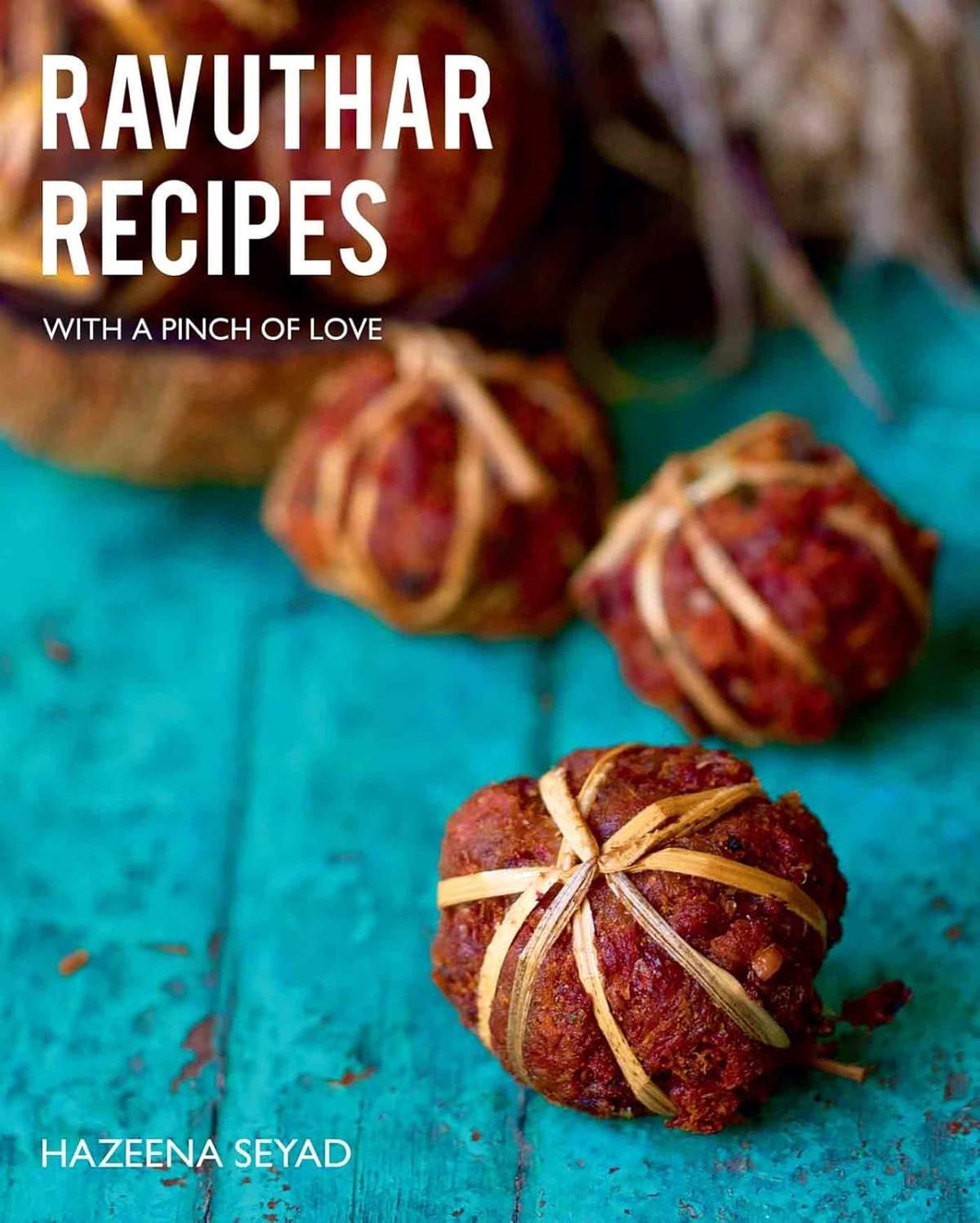
Food becomes a moral language during Ramadan. It is also a season of stories shared over warm bread and passed bowls, and in the company of these books that show us the table as a place of memory, restraint, and gratitude.
The author is the author of Temple Tales and translator of Hungry Humans.
