
Lemons, with their bright yellow color and tart flavor, are a staple of cuisines and homes around the world. From culinary delights and refreshing beverages to cleaning products and medicinal uses, lemon has certainly earned a special place in human history. From continents, across centuries and civilizations, the lemon’s journey extends further than we imagine!
birthplace of citrus
The lemon story begins not with the lemon but with the broader citrus family. According to studies, citrus fruits are believed to have originated in the tropical and subtropical regions of Southeast Asia, specifically the region extending from northeastern India and northern Myanmar to the Yunnan province of China.
The modern lemon is not a wild species but is actually a hybrid species. They are the result of a natural blend between bitter oranges and lemons. Possibly created centuries ago through natural hybridization, over time, the lemon has undergone human intervention. This hybridization probably occurred in the area that today includes northeastern India or northern Myanmar, although the exact details are uncertain.
From Asia to the Mediterranean
Although the lemon probably originated in Southeast Asia, its spread around the world was driven by trade, conquest, and cultural exchange. Early written records of lemons are relatively rare, but archaeological evidence suggests that lemons were known to the people of the Middle East and Mediterranean around the 1st century AD.
A major turning point came with Islamic expansion in the 7th and 8th centuries. The Arabs, skilled gardeners and traders, played an important role in spreading citrus fruits, including lemons, throughout the Mediterranean, North Africa, and Southern Europe. They cultivated lemons in places like Egypt, Persia (modern Iran) and what is now Spain and Sicily. Arabic agricultural manuals from the medieval period contain some of the first accurate descriptions of lemon cultivation.
Lemon in Medieval Europe
During the Middle Ages, lemons became more and more popular throughout Mediterranean Europe. They were initially grown as ornamental plants in the gardens of Islamic palaces, but soon became prized for their culinary and medicinal value.
By the eleventh century, in Sicily and southern Italy – areas with a favorable climate for the cultivation of citrus fruits – lemons were being grown. Since medieval physicians recommended lemons to treat a variety of ailments from indigestion to fever, they have also had a notable role in medicine. They were also used to preserve food due to their high acidity, which prevents the growth of bacteria.
European crusaders discovered lemons in the Levant and brought them back to Western Europe during the Crusades (1095–1291). Due to the challenges of growing and transporting in cold climates, lemons were considered a luxury item for many centuries, but their appeal continued to grow.
Another important period in the history of lemons was the Age of Exploration (15th to 17th centuries). Because of their ability to prevent scurvy, a disease caused by vitamin C deficiency, lemons were reportedly brought aboard ships by European explorers, particularly the Spanish and Portuguese. Due to this his popularity also spread throughout the world. In the 18th and 19th centuries, lemon cultivation expanded further with the rise of plantation agriculture and the development of irrigation systems.
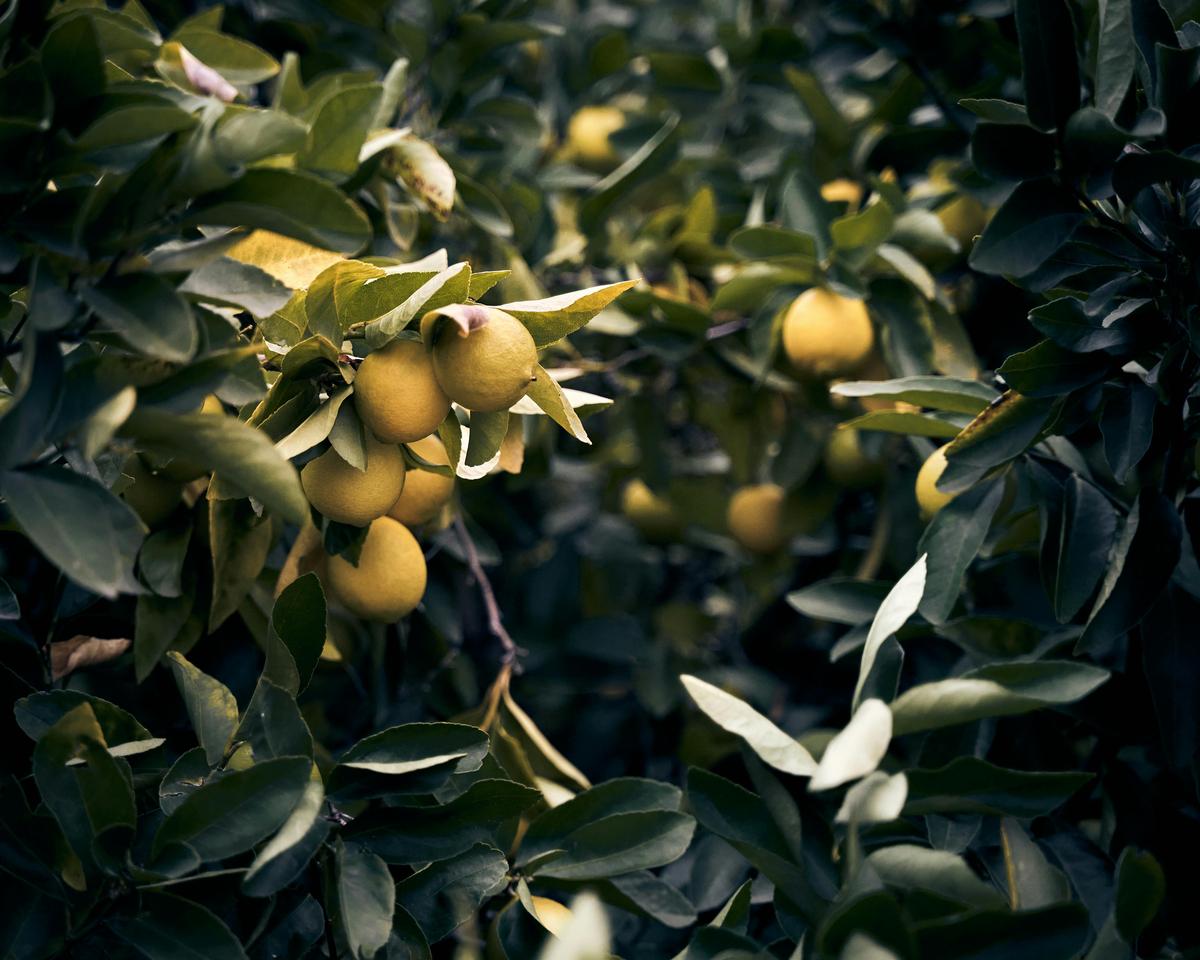
When life gives you lemons, make lemonade. Photo Credit: Pexels
Do you know?
Throughout history, lemons have had various symbolic meanings. In art, especially during the Renaissance, they often represented luxury, piety, or even sourness of character. While in literature and folklore, the lemon often symbolizes both vitality and bitterness.
lemons of the day
Today, lemon is grown globally and is an integral part of the agricultural economies of many countries. Major producers include India, Mexico, China, Argentina and the United States. The fruit’s versatility has made it indispensable in countless products from lemonade and desserts to cosmetics and household cleaners.
Scientific research has also validated many traditional uses of lemon. Rich in vitamin C, antioxidants and bioactive compounds, lemons are valued for their health benefits, which include immune support, better digestion and antibacterial properties.
niranjana.ps@thehindu.co.in
