
The story of boba begins in small traditional tea shops in Taiwan in the 1980s. These shops sold iced tea, a popular beverage of the time, to which an additional ingredient was later added – boba pearls. These became an instant hit and soon spread around the world.
is popularly known as zhenzhou nicha Translating to ‘pearl milk tea’ in Taiwanese, boba is made primarily from tapioca starch and sugar. These delicious dishes are now popular all over the world and come in many flavors with the beverage of your choice.
Who started it?
Bubble tea, as we know it today, originated nearly four decades ago. Two tea houses, Chun Shui Tang in Taichung and Hanlin Tea Room in Tainan, claim to have invented the drink in 1986.
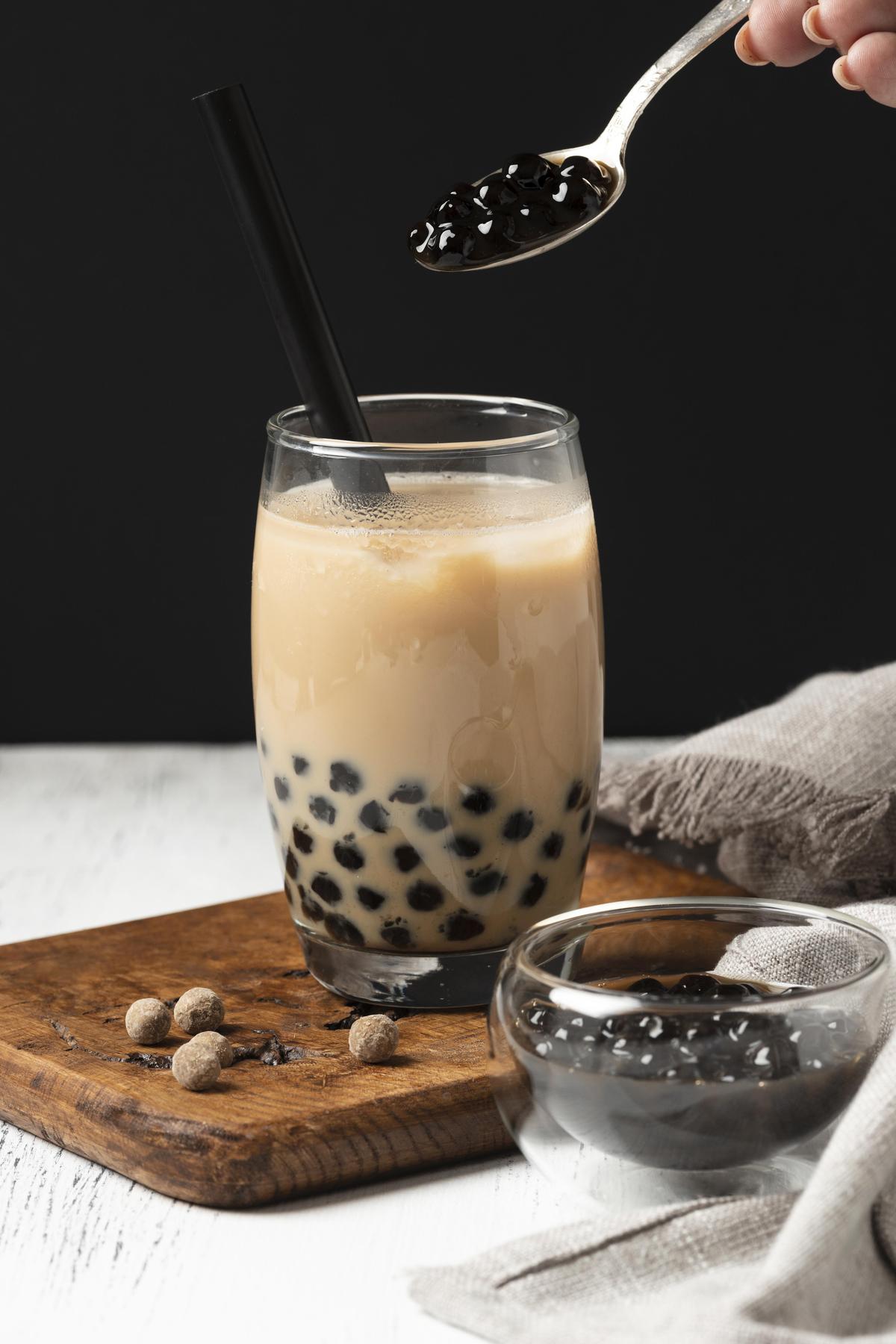
Although it is impossible to confirm either story with certainty, the two tea shops were once involved in a ten-year lawsuit over a fierce ownership dispute. The court ultimately decided in 2019 that the inventor of bubble tea is irrelevant because it is not a patented product.
multiple stories
While bobas have been accepted as a Taiwanese creation, the battle over who actually invented them continues. Chun Shui Tang Tea Room in Taichung claims that they created this drink after randomly experimenting during a meeting. Since the drink became a hit at the meeting, it was decided that it would be added to their menu in the late 1980s. It is also said that the founder was inspired by cold coffee and decided to create cold tea as well.
The second claim comes from their competitor, Hanlin Tea Room in Tainan. According to him, the owner of the place was inspired by the white tapioca balls in China that were being sold in the local market. Then they used them in tea to make pearl tea. Although the stories are still unproven, it is interesting to know the history behind these cute little beverages that we all love and crave for.
Do you know?
In Taiwan, bubble tea has evolved from a simple beverage to a timeless symbol of the country’s culinary and cultural heritage. In 2020, Taiwan officially declared April 30 as National Bubble Tea Day. The same year an image of bubble tea was also suggested as an alternative cover design for Taiwan’s passport.
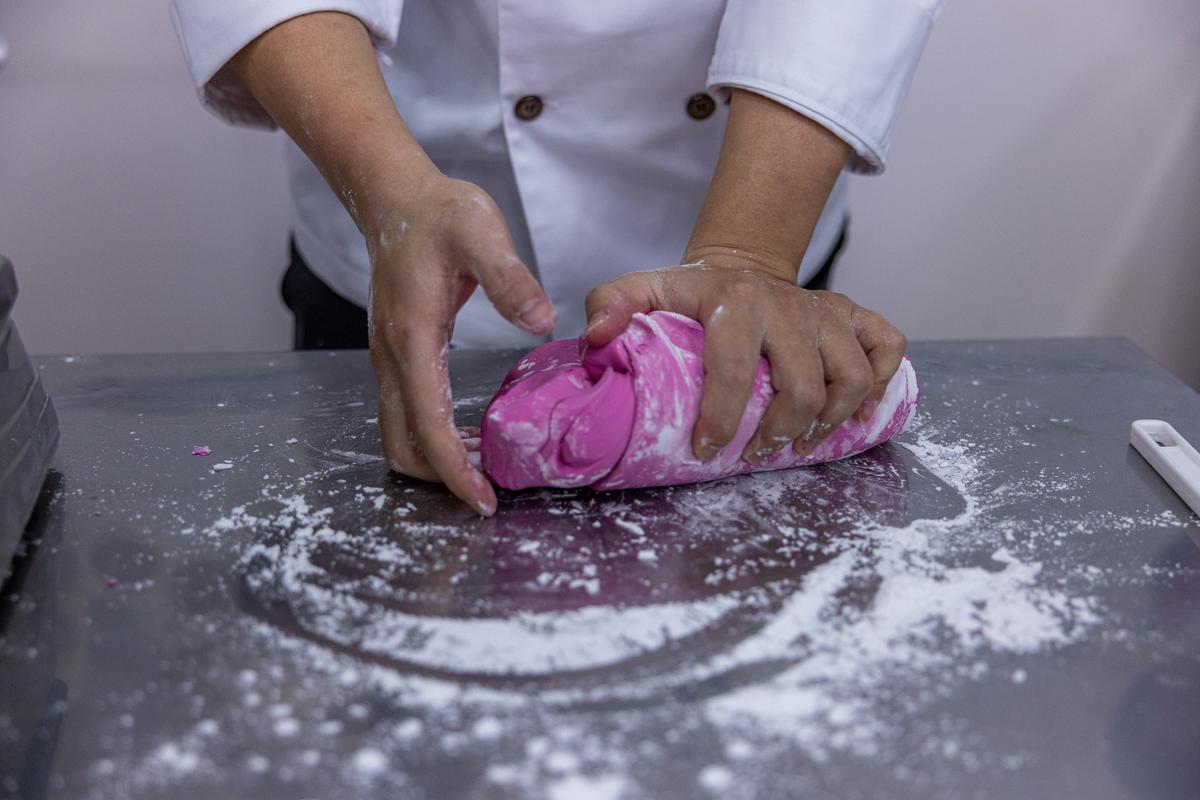
Workers knead dough to make fresh tapioca bubbles at a bubble tea shop in Tainan, Taiwan. , Photo Credit: Getty Images
as boba
Another variation, called ‘popping boba’, is also available. Unlike traditional boba, which is chewable, these are spherical balls with thin jelly skin that are filled with flavored liquid. When cut, the peels burst and the flavor comes out. This skin is made by a process called spherification, which often uses sodium alginate and calcium solution, while the liquid is usually fruit juice or syrup of various flavors. Popping boba is commonly used in bubble tea or slushies (non-milk versions are more commonly used).
How to Make Boba!
Let’s learn how to make this fun Asian drink with tapioca.
Material
1 cup tapioca starch (aka tapioca flour)
1 cup brown sugar
½ cup water
step
Add half cup water and brown sugar and boil. Add ¼ cup tapioca starch until thickened, then add ¾ cup starch and knead into a dough. Adjust with starch or hot water as needed. Roll the dough into a small ball (boba size) and sprinkle a little starch on it to prevent sticking.
Boil water in a pot, add boba and stir gently. Boil for 20-30 minutes until soft and chewy, turn off the heat and let sit for 15-20 minutes. Drain and rinse with cold water.
In a small pan, boil half a cup of water and brown sugar until slightly thickened and add the cooked boba and boil for 5-10 minutes.
Take a cup of milk tea or any other flavored drink you like and mix the boba with the syrup. Stir together and taste.
niranjana.ps@thehindu.co.in
