Drugs-Free Youth Crucial for Developed India, Says PM Modi: A Nation-Building Campaign Takes Off
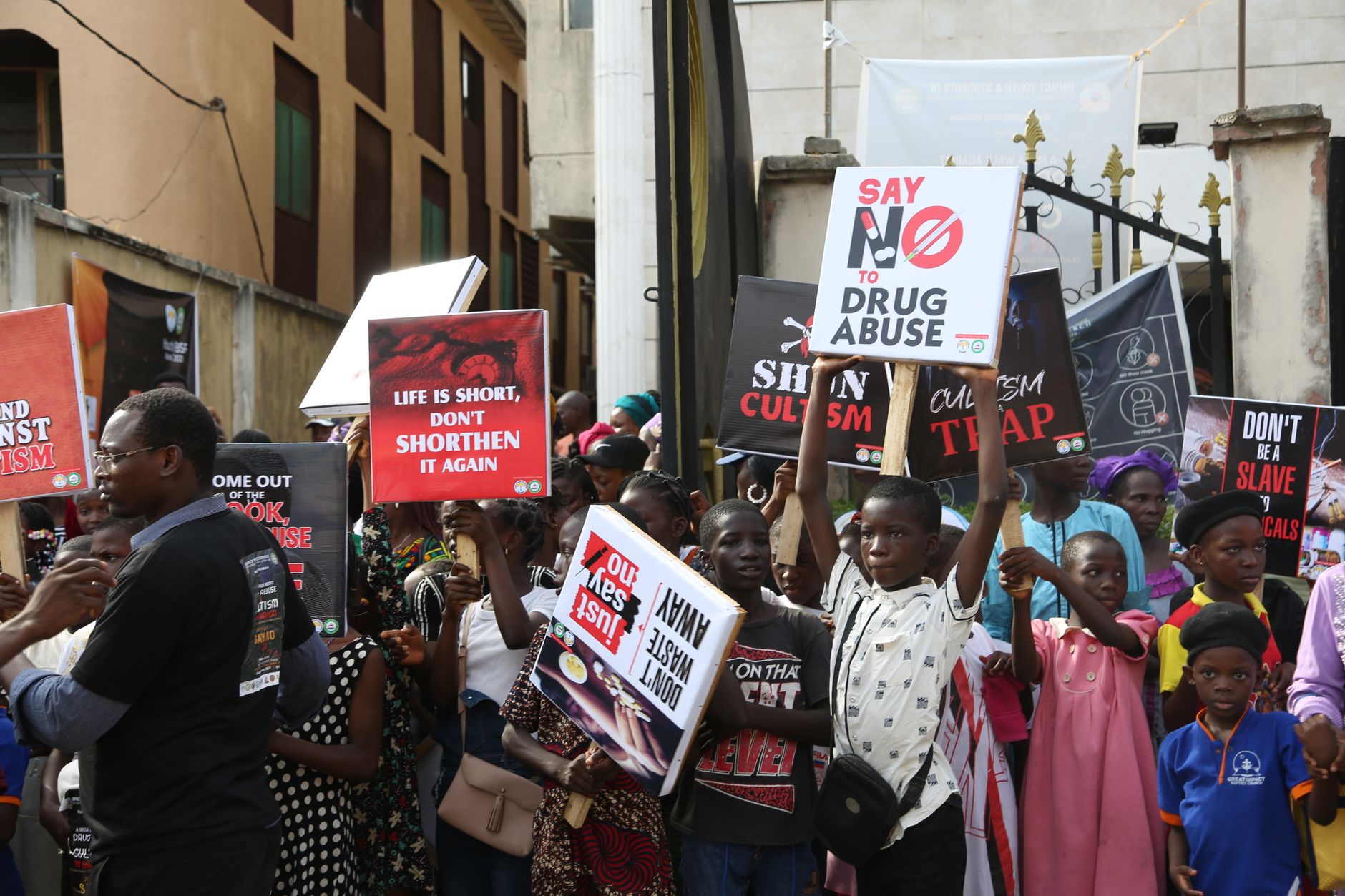
Drugs-Free Youth Crucial for Developed India, Says PM Modi: A Nation-Building Campaign Takes Off
Imagine a India where every young mind is buzzing with ideas, every young hand is building something new, and every young heart is full of dreams, unclouded by the shadows of addiction. Sounds like a dream, right? Well, that's exactly the vision Prime Minister Narendra Modi articulated when he declared that drugs-free youth crucial for developed India, setting the stage for a massive national campaign. It's a powerful call to action, acknowledging a silent menace that often cripples our most vital asset – our youth. The problem of substance abuse among young people isn't just a headline; it's a heartbreaking reality affecting families and communities across the nation. But here’s the good news: the government, under PM Modi's leadership, isn't just talking about the problem; they're launching a comprehensive solution, a nationwide drive to empower our young generation to choose a life free from drugs.
This isn't just about enforcement; it's about education, empathy, and empowering communities to build a supportive ecosystem. This latest news update signals a significant shift, positioning youth de-addiction and prevention at the forefront of our national development agenda. It’s a moment for collective reflection and, more importantly, collective action. We're talking about securing the very future of India, ensuring that our youth can contribute to a developed nation, unburdened and unleashed.
Why is a Drugs-Free Youth Crucial for Developed India? Understanding the Vision
When PM Modi says drugs-free youth crucial for developed India, he’s not just using a catchy phrase. He’s highlighting a fundamental truth about nation-building. Our youth are not just future leaders; they are today's innovators, workers, and citizens. Their well-being directly translates into the nation's progress. Let's break down why this emphasis is so critical.
The Human Cost: Impact on Individuals and Families
Think about it, yaar. When a young person falls prey to drugs, it’s not just their life that takes a turn for the worse. Their families suffer immensely – emotionally, financially, and socially. Parents watch their children's potential vanish, siblings feel the strain, and the entire household struggles. The individual loses their health, their education, their job prospects, and often, their very identity. This human cost is immeasurable and creates ripples of despair across our social fabric. A drugs-free youth means happier, healthier families, which form the bedrock of any thriving society.
The Economic Drain: How Drug Abuse Hinders National Progress
Beyond the personal tragedies, drug abuse has a significant economic impact. A workforce grappling with addiction is less productive, more prone to accidents, and requires extensive healthcare and rehabilitation resources. Imagine the lost potential, the unfulfilled careers, the drain on public health systems. Resources that could be invested in education, infrastructure, or innovation are instead diverted to combat drug-related issues. For a developed India, every healthy, productive individual counts. We simply cannot afford to lose our young talent to addiction if we truly aspire to be a global powerhouse.
Safeguarding the Future: Youth as the Nation's Backbone
Our youth represent India's demographic dividend – a massive advantage. If this dividend turns into a liability due to widespread drug abuse, our dreams of a developed India will remain just that. A drugs-free youth means a robust, energetic, and innovative workforce; a generation capable of leading us into the future, contributing to scientific advancements, economic growth, and cultural richness. They are the torchbearers of our nation’s destiny, and keeping them healthy and focused is paramount.
PM Modi Launches Campaign: What's the Strategy?
The announcement that PM Modi launches campaign isn't just a ceremonial gesture. It signifies a concrete, multi-pronged strategy designed to tackle the drug menace head-on. This isn't a one-off event; it's a sustained national effort, reflecting a deep understanding of the problem's complexity.
A Multi-pronged Approach: Government, Community, and Individual Roles
The government understands that no single entity can win this battle alone. The new campaign emphasizes a collaborative approach. This means strengthening law enforcement to cut off supply chains, yes, but equally important is engaging communities, schools, religious organizations, and, crucially, the youth themselves. It’s about creating a societal shield against drugs, where everyone plays a role, from a parent talking to their child to a local panchayat organizing awareness drives.
Educational Initiatives: Raising Awareness from the Grassroots
Ignorance is often fertile ground for addiction. A key pillar of this campaign is extensive education. This isn't just about scaring kids; it's about informed choices. We're talking about age-appropriate curricula in schools, public service announcements, digital campaigns reaching rural and urban youth, and workshops that equip young people with life skills, stress management techniques, and the confidence to say no. The goal is to demystify drug abuse, highlight its dangers, and promote healthy alternatives, right from the grassroots level.
Rehabilitation and Support Systems: A Path to Recovery
For those already caught in the grip of addiction, condemnation is not the answer; rehabilitation is. The campaign focuses on bolstering and expanding de-addiction centers, making them more accessible, less stigmatizing, and equipped with trained professionals. It's about offering a hand up, not just a pat on the back. Mental health support, counseling, and vocational training are integral parts of this recovery journey, helping individuals reintegrate into society as productive members. After all, a developed India needs every single one of its citizens.
EEAT in Action: Why PM Modi's Call Resonates
The message, drugs-free youth crucial for developed India, says PM Modi, carries significant weight due to the principles of EEAT: Experience, Expertise, Authority, and Trust. When the Prime Minister speaks on such a vital issue, it’s not just words; it’s backed by a strategic vision and the machinery of the state.
Experience: India's Long Battle Against Drug Abuse
India has a long history of dealing with substance abuse, from traditional narcotics to modern synthetic drugs. The government, over decades, has gathered experience in tackling this issue through various policies and enforcement actions. This campaign isn't starting from scratch; it builds on past lessons, identifying what worked and what didn't, allowing for a more refined and targeted approach this time around. The understanding of regional variations in drug consumption and trafficking also stems from this accumulated experience.
Expertise: Leveraging Medical and Social Science Insights
The campaign isn't based on guesswork. It integrates expertise from medical professionals, psychologists, sociologists, educators, and law enforcement agencies. Data on drug use patterns, psychological factors contributing to addiction, and effective rehabilitation methods are crucial. This scientific backing ensures that the strategies adopted are evidence-based and designed for maximum impact, moving beyond mere enforcement to address the root causes and effects of addiction comprehensively.
Authority: The PM's Strong Leadership and Commitment
When the Prime Minister himself champions a cause, it lends immense authority and political will to the effort. It signals that this isn't just another government scheme but a national priority. This top-level commitment ensures that resources are allocated, inter-ministerial coordination is streamlined, and a sense of urgency permeates all levels of governance. His direct appeal mobilizes not just government machinery but also inspires citizens to participate actively.
Trust: Building Confidence in a Collective Future
Ultimately, the success of such a massive undertaking hinges on trust. Trust that the government is serious about the issue, trust in the rehabilitation systems, and trust among communities to work together. PM Modi's consistent focus on youth empowerment and national development builds a narrative of hope and collective aspiration. When citizens trust their leaders are genuinely working for their well-being, they are more likely to engage, contribute, and take ownership of such initiatives, leading to stronger, more sustainable outcomes.
Comparing Approaches: Past Efforts vs. The Current Campaign
While India has always had anti-drug initiatives, PM Modi's current campaign marks a strategic evolution. Let's compare some key aspects to understand the unique strengths of this renewed push for drugs-free youth crucial for developed India.
| Feature / Aspect | Previous Anti-Drug Efforts | PM Modi's Current Campaign |
|---|---|---|
| Primary Focus | Often heavily on supply reduction, law enforcement | Demand reduction, youth empowerment, comprehensive rehabilitation, prevention |
| Engagement Level | Often Top-down, Government-led, sometimes fragmented | Grassroots, Community, Digital, Youth-led, multi-stakeholder |
| Technology Use | Limited, primarily for intelligence gathering | Significant (Dedicated App, National Helplines, Digital Outreach, AI for data analysis) |
| Rehabilitation | Varying, often stigmatized, limited outreach | Integrated, De-stigmatized, Comprehensive Support, follow-up mechanisms |
| Preventive Education | General awareness campaigns, sometimes reactive | Targeted, Age-appropriate, Skill-building, proactive, school & college specific |
| Public Participation | Passive acceptance, limited active involvement | Active mobilization, citizen volunteers, youth ambassadors, public-private partnerships |
| Holistic Approach | Often siloed, focusing on one aspect | Integrated, linking health, education, social justice, skill development |
This comparison highlights a significant shift from reactive, enforcement-heavy measures to a proactive, holistic, and community-driven movement. The focus is now firmly on nurturing drugs-free youth through empowerment and sustained support.
Benefits of a Drugs-Free Society: More Than Just Health
The benefits of achieving a drugs-free youth are profound and extend far beyond individual health. They lay the groundwork for a truly developed India.
Enhanced National Productivity and Economic Growth
Imagine millions of young people, brimming with energy, focused on their studies, careers, or entrepreneurial ventures, instead of being caught in the grip of addiction. This translates directly into a more productive workforce, higher innovation, and ultimately, robust economic growth. A healthy, focused youth is an economic engine.
Stronger Families and Communities
When families are free from the burden of drug abuse, they become stronger, more supportive units. This strength radiates outwards, building resilient communities. Trust, cooperation, and social harmony flourish, creating a positive environment for everyone to thrive. It’s a virtuous cycle – strong families build strong communities, which in turn nurture healthy individuals.
A Healthier, More Innovative Workforce
With a generation free from substance abuse, India will possess a significantly healthier workforce, reducing the burden on healthcare systems. More importantly, mental clarity and physical well-being foster creativity and innovation. This is crucial for India's ambition to be a leader in technology, research, and development. A mind unclouded by drugs is a mind free to explore, invent, and lead.
Reduced Crime Rates and Improved Public Safety
There's a well-established link between drug abuse and crime. A drugs-free youth movement naturally leads to a reduction in drug-related crimes, petty theft, and violent acts often associated with addiction. This improves public safety, fosters a sense of security, and allows law enforcement to focus on other critical issues, creating a more peaceful and orderly society.
Why is This Campaign Different? A Unique Opportunity for India
We've seen anti-drug campaigns before, so what makes this one stand out? Why is this a unique opportunity for India to truly make a difference, ensuring drugs-free youth crucial for developed India?
The Power of Political Will and Mass Mobilization
Firstly, the sheer political will demonstrated by PM Modi himself is a game-changer. When the nation's top leader makes it a personal mission, it sends a clear message down the ranks and across society. This commitment enables unprecedented mass mobilization – from government ministries to local self-help groups, everyone is encouraged to participate. This unified front, backed by strong leadership, creates momentum that previous fragmented efforts often lacked.
Leveraging Digital India for Wider Reach
Unlike decades past, today India is a digitally connected nation. This campaign leverages Digital India to its full potential. Think about dedicated apps for reporting, helplines, online counseling platforms, social media awareness blitzes, and data analytics to track progress and identify hotspots. This digital reach ensures the message penetrates even the remotest corners and engages the tech-savvy youth directly, making information and support more accessible than ever before.
Focusing on Prevention and Holistic Well-being
The previous focus was often on enforcement after the problem had manifested. This campaign places a strong emphasis on prevention and holistic well-being. It's not just about stopping drug use; it's about building resilient individuals who don't need drugs. This includes promoting mental health, sports, arts, skill development, and strong family values. It’s about creating an environment where youth are engaged, challenged, and supported, naturally diverting them from paths of addiction. This proactive, rather than reactive, approach is truly transformative.
Common Misconceptions About Drug Abuse and Prevention
To effectively tackle this issue, we must first address some common misconceptions that often hinder progress in making drugs-free youth crucial for developed India.
"It Won't Happen to My Child"
This is perhaps the most dangerous misconception. No family or child is immune to the lure of drugs. Peer pressure, curiosity, mental health issues, or even just experimentation can lead anyone down that path. Believing "it won't happen to my child" creates a false sense of security, leading to a lack of vigilance and open communication. Every parent and guardian needs to be aware, educated, and proactive.
"Just Say No" is Enough
While personal resolve is important, simply telling a young person to "just say no" is often insufficient. Addiction is complex, influenced by biological, psychological, and social factors. Young people need robust coping mechanisms, strong self-esteem, alternative outlets, and a supportive environment. The campaign recognizes this, focusing on empowering youth with life skills, not just a simple slogan.
Addiction is a Moral Failing, Not a Disease
Historically, addiction was often viewed as a character flaw or a moral weakness. Modern science, however, overwhelmingly recognizes addiction as a chronic brain disease. This understanding changes everything. It shifts the approach from punishment and judgment to treatment, therapy, and support. De-stigmatizing addiction is crucial for encouraging individuals to seek help and for society to offer empathy and resources, rather than ostracization.
Pro Tips for Parents, Educators, and Youth: Becoming Agents of Change
To ensure drugs-free youth crucial for developed India becomes a reality, everyone has a role to play. Here are some pro tips for becoming an effective agent of change.
Open Communication is Key
For Parents: Talk to your children early and often about drugs, alcohol, and the risks involved. Create a safe, non-judgmental space where they feel comfortable sharing their thoughts and concerns. Listen more than you lecture. Encourage them to ask questions and discuss peer pressure openly.
For Educators: Foster a classroom environment that promotes open discussion about mental health, stress, and making healthy choices. Be approachable and observant, and know when to refer a student for professional help. Use age-appropriate educational materials.
Educate Yourself and Others
For Everyone: The more you know, the better equipped you are. Understand the signs of drug abuse, the different types of substances, and the available support systems. Share accurate information with your friends, family, and community members. Challenge misinformation and stereotypes about addiction.
Promote Healthy Lifestyles and Coping Mechanisms
For Parents & Educators: Encourage participation in sports, hobbies, arts, community service, and other positive activities. These provide healthy outlets for stress, build self-esteem, and offer constructive ways to spend time. Teach resilience, problem-solving skills, and healthy ways to manage emotions.
For Youth: Find your passion! Get involved in activities that make you feel good and give you a sense of purpose. Learn stress-reduction techniques like meditation or exercise. Build a strong support network of friends and mentors who encourage positive choices.
Know Where to Seek Help
For Everyone: Familiarize yourself with local de-addiction centers, government helplines (like the National Toll-Free Drug De-addiction Helpline: 14446), counseling services, and NGOs working in this space. If you or someone you know needs help, don't hesitate to reach out. Early intervention is crucial for successful recovery.
Internal Linking Suggestions
To enhance user experience and SEO, consider linking to relevant government portals and resources within the article or in dedicated sections. For instance:
- Ministry of Social Justice and Empowerment: For information on de-addiction programs and social welfare initiatives.
- National Institute of Mental Health and Neuro Sciences (NIMHANS): For expert resources on mental health and addiction treatment.
- MyGov.in: For details on specific government campaigns and public participation opportunities.
- State-specific de-addiction helplines or centers: For localized support and information.
- Articles on youth mental health or stress management: To provide supplementary support for a holistic approach.
Semantic Keywords and LSI Keywords to Incorporate
To ensure comprehensive SEO and reach a wider audience searching for related topics, the article naturally integrates several semantic keywords and LSI keywords. These include:
- Substance abuse prevention
- De-addiction programs India
- Youth empowerment initiatives
- National development goals
- Public health campaigns
- Social responsibility India
- Future of Indian youth
- Mental well-being strategies
- Healthy lifestyle promotion
- Awareness campaigns against drugs
- Government initiatives against drug menace
- Societal impact of drug abuse
- Rehabilitation centers for addiction
- Nasha Mukt Bharat Abhiyaan (if applicable, which it is for the broader context)
FAQs on India's Drugs-Free Youth Campaign
Here are some frequently asked questions about this crucial national mission:
Q1: What is the primary goal of PM Modi's drugs-free youth campaign?
A1: The primary goal is to empower young people to live a life free from substance abuse, thereby securing their future and contributing to the vision of a developed India. It focuses on prevention, awareness, rehabilitation, and community engagement to build a resilient, drugs-free generation.
Q2: How can citizens participate in making India drugs-free?
A2: Citizens can participate by spreading awareness, educating themselves and their families about the dangers of drugs, promoting healthy lifestyles, supporting de-addiction initiatives, reporting suspicious activities, and actively engaging in local community programs aimed at drug prevention. Volunteering for awareness drives and supporting those in recovery are also crucial.
Q3: What support systems are available for youth struggling with drug abuse?
A3: The campaign aims to strengthen existing support systems, including government-run de-addiction centers, private rehabilitation facilities, national helplines (e.g., 14446), counseling services, and NGOs. Many programs offer free or subsidized treatment, psychological support, and vocational training to aid recovery and reintegration.
Q4: Why is youth involvement crucial for the success of this campaign?
A4: Youth involvement is crucial because they are both the target and the most effective agents of change. When young people take ownership, they can influence their peers, challenge misconceptions, develop innovative solutions, and serve as powerful role models, making the campaign more authentic and impactful.
Q5: What are the long-term benefits of a drugs-free India for its development?
A5: A drugs-free India will lead to a healthier, more educated, and productive workforce, fostering greater innovation and economic growth. It will strengthen families and communities, reduce crime rates, and improve public safety. Ultimately, it ensures that India's vast youth demographic dividend translates into sustained national development and global leadership.
Conclusion: A United Effort for a Brighter Tomorrow
PM Modi's declaration that drugs-free youth crucial for developed India, says PM Modi, is not merely a statement; it's a clarion call to every citizen, every parent, every educator, and most importantly, every young person in India. The launch of this comprehensive campaign marks a pivotal moment in our nation's journey. It’s a testament to the fact that we cannot achieve true developed India status if our youth, our most valuable resource, are grappling with the chains of addiction.
This isn't just a government initiative; it’s a national movement, a collective pledge to safeguard our future. By embracing prevention, strengthening rehabilitation, leveraging technology, and fostering open dialogue, we can collectively build a society where every young Indian has the opportunity to thrive, innovate, and contribute meaningfully to our nation. Chalo, let's stand united, work together, and make this vision of a drugs-free youth a vibrant reality for a stronger, brighter India. Join the movement today and be a part of this transformative change!
Related Stories
- Sunny Deol says Dharmendra backed 'Ghayal' after every producer rejected it: 'He was proud that I stood b: Ultimate Guide, Latest Updates, and Key Insights
- Quote of the day by J.J. Thomson: 'The electron: may it never be of any use to anybody!': Ultimate Guide, Latest Updates, and Key Insights
- Clinical Sri Lanka Swat Pakistan Aside to Clinch T20I Series: A Masterclass in Dominance and Teamwork!
- "He Gave Jeevandaan By Forgiving Her": Mother Of Girl Who Abused PM Modi: Ultimate Guide, Latest Updates, and Key Insights
- NASA astronaut's space station window view reveals spectacular Milky Way over Earth: Ultimate Guide, Latest Updates, and Key Insights
Discussion (0)
No comments posted yet. Start the conversation below!
Leave a Reply