India Weighs Letting Airport Owners Run Airlines to Curb Duopoly: A Game Changer for Indian Skies?
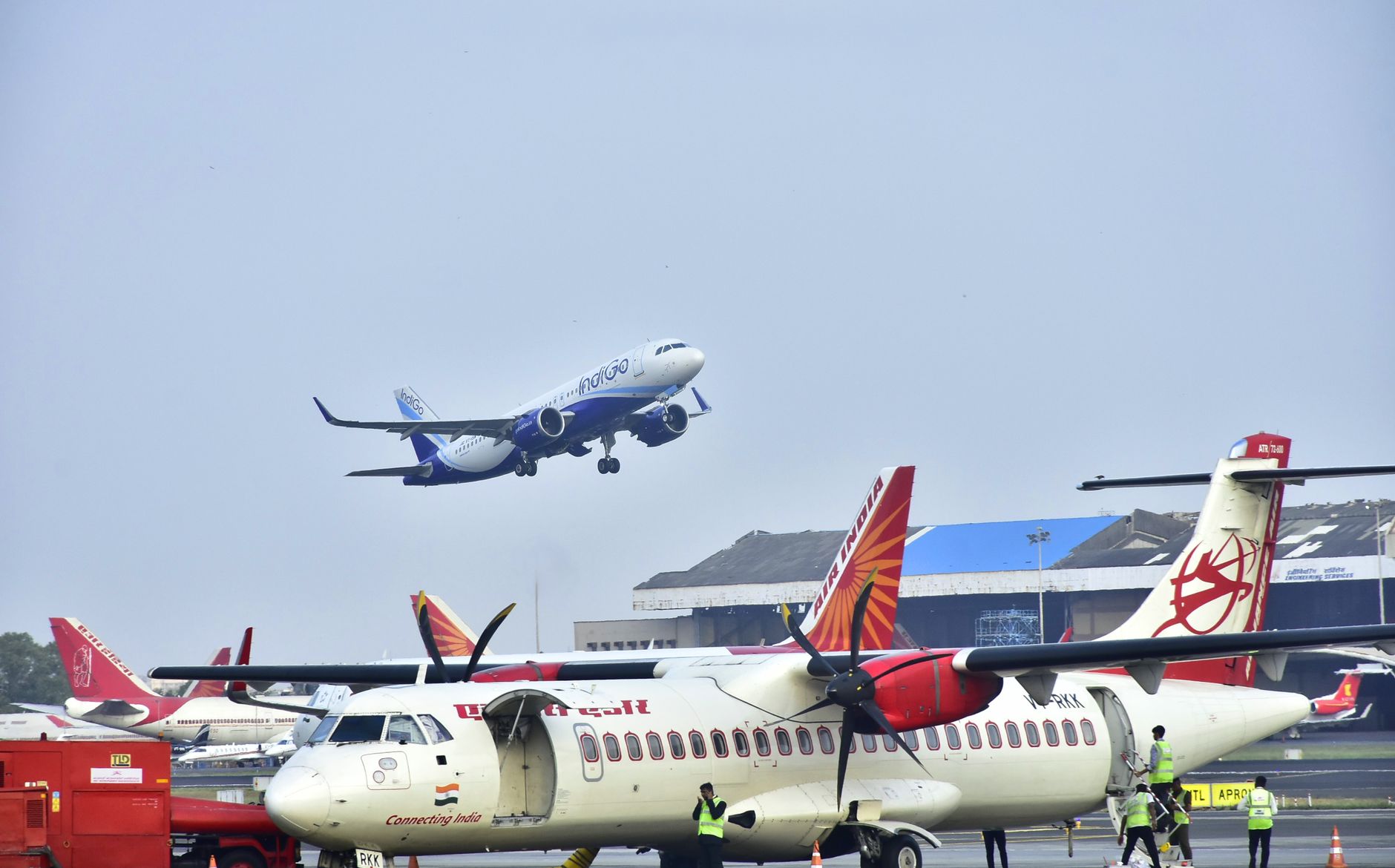
India Weighs Letting Airport Owners Run Airlines to Curb Duopoly: A Game Changer for Indian Skies?
Chalo, let's talk about something really interesting happening in India's skies! Have you ever wondered why, sometimes, air travel feels a bit… limited? Like, you often end up flying with the same couple of airlines, right? Or perhaps, you've faced sky-high prices during peak season, wondering if there are any other options out there. Well, you're not alone, yaar. This very sentiment is what’s driving a potential, monumental shift in Indian aviation. The government is currently exploring a bold move: India Weighs Letting Airport Owners Run Airlines to Curb Duopoly. This isn't just some technical tweak; it's a proposal that could completely redefine how we fly, from the prices we pay to the routes we choose.
Imagine this: the very folks who manage the runways, the terminals, and all the hustle and bustle of an airport – they might soon be operating the planes themselves! It sounds wild, doesn't it? But this idea is gaining serious traction, primarily to tackle the perceived duopoly in our airline sector and inject a much-needed dose of competition. This latest news update has everyone talking, from industry veterans to the common passenger, because its implications for current affairs in air travel are simply massive. Let's dive deep into why this is happening, what it means for you, and whether it’s truly the solution we need.
The Current Landscape: A Duopoly in the Skies?
Anyone who's flown domestically in India recently will tell you that a significant portion of our skies is dominated by just two major players: IndiGo and, to a lesser extent, SpiceJet. While other airlines like Vistara and Air India are certainly there, and new entrants like Akasa Air are making waves, the market share held by these two incumbents is substantial. This isn't just a casual observation; it's a well-documented market reality that raises some crucial questions about fair competition and consumer choice.
Who Holds the Reins Now?
For years now, IndiGo has been the undisputed king of the Indian domestic market, commanding a massive fleet and an extensive network. SpiceJet, despite its financial woes at times, has also held a significant chunk. While Air India’s merger with Vistara under the Tata Group promises a stronger challenger, and Akasa Air is aggressively expanding, the market has traditionally seen a high concentration of power. This essentially means that for many routes, especially the popular ones, your choices are often limited. It’s a bit like having only two types of chai at your favourite stall – good, but what if you crave something else?
Why is a Duopoly a Concern?
Now, why is having just a couple of dominant players a problem? Well, economists and aviation experts often point to several key issues:
- Higher Fares: When competition is limited, airlines have less incentive to lower prices. They know you don't have many other options, so they can keep fares higher, especially during peak travel seasons or on popular routes. Remember those exorbitant Diwali or holiday flight prices? This is partly why.
- Limited Choices: Fewer airlines mean fewer unique routes, fewer flight times, and potentially less innovation in services. You might be stuck with inconvenient timings or connecting flights because direct options are scarce.
- Impact on Service Quality: With less pressure from competitors, there might be reduced motivation to constantly improve passenger experience, be it on-time performance, baggage handling, or in-flight amenities. If customers don't have alternatives, their complaints might not carry as much weight.
- Barriers to Entry: New airlines find it incredibly challenging to enter a market dominated by established players, especially when it comes to securing slots at busy airports or attracting talent. This perpetuates the duopoly.
This is precisely why the Indian government is looking for a disruptive, out-of-the-box solution to shake things up.
India Weighs Letting Airport Owners Run Airlines to Curb Duopoly: The Big Idea
So, what's this whole buzz about airport owners getting into the airline business? It's a rather ingenious proposal designed to tackle the issues we just discussed head-on. The core idea is to leverage the existing infrastructure and operational prowess of airport groups to create new, competitive airline entities.
What Exactly Does This Proposal Entail?
The proposal, as it stands, suggests allowing major airport operators – like the GMR Group (which runs Delhi and Hyderabad airports) or Adani Airports (operating Mumbai, Ahmedabad, Lucknow, and others) – to launch and operate their own airlines. Currently, there are strict rules preventing airport operators from owning airlines flying out of their own facilities, precisely to avoid conflicts of interest and ensure a level playing field for all airlines.
However, the government is now considering relaxing these norms, or perhaps creating a new regulatory framework, that would permit these integrated aviation giants to venture into airline operations. It’s a significant policy shift, and if implemented, it would open up an entirely new dimension to India's aviation market structure.
The Rationale Behind the Move
The thinking behind this radical proposal is multifaceted and strategic:
- Enhance Competition: This is the primary driver. Introducing new, well-capitalized airlines backed by established infrastructure players could rapidly increase competition. More players mean more choices for passengers and, hopefully, more competitive fares.
- Leverage Existing Assets & Expertise: Airport operators already possess a deep understanding of aviation logistics, infrastructure management, ground handling, and customer flow. They have the financial muscle and the operational know-how. Launching an airline could create significant operational synergies, potentially leading to more efficient and cost-effective operations.
- Boost Regional Connectivity: Many smaller, underserved airports could see a surge in connectivity. Airport owners might be more inclined to launch routes connecting to their own smaller or regional airports, integrating their network more effectively and promoting the government's UDAN scheme objectives.
- Integrated Planning & Development: Imagine an airport group that can plan its airport expansion, terminal capacity, and even flight schedules in tandem with its airline operations. This integrated approach could lead to smoother operations, better slot utilization, and a more seamless passenger experience.
How Could This Reshape India's Aviation Sector?
This isn't just about adding a few more planes to the sky. If this proposal goes through, it could fundamentally alter the dynamics of the Indian aviation market, impacting everyone from the largest airlines to the smallest regional flyer, and most importantly, us, the passengers.
Benefits for Passengers: More Choices, Better Fares?
For the common traveller, this is where the rubber meets the road. More competition generally translates to:
- Wider Range of Choices: More airlines mean more options for destinations, flight timings, and types of services. You might see new routes opening up, especially to tier-2 and tier-3 cities.
- Potentially Lower Fares: With more players vying for your business, airlines will be under pressure to offer more competitive pricing. This could lead to a downward trend in airfares, making air travel more accessible to a larger segment of the population.
- Improved Service Quality: Competition also pushes airlines to innovate and improve their services. From better on-time performance to enhanced in-flight amenities and customer service, passengers stand to gain from this healthy rivalry.
- Enhanced Connectivity: Airport owners might focus on connecting their entire network of airports, creating more direct routes and reducing travel time.
Operational Synergies: A Game Changer for Airport Owners?
For the airport groups themselves, operating an airline presents a unique set of advantages:
- Cost Efficiencies: Imagine an airport owner who also owns an airline. They can optimize ground handling, fuel procurement, maintenance, and even terminal usage for their own flights, potentially leading to significant cost savings.
- Integrated Planning: They can align airport development with airline network expansion, ensuring infrastructure is ready for growth and maximizing asset utilization. This could mean fewer delays related to ground logistics or gate availability.
- Revenue Diversification: Beyond airport charges, they would gain a share of the airline revenue, diversifying their income streams and potentially making their overall aviation business more robust.
- Customer Experience Control: By controlling both ends of the journey (airport experience and flight experience), they can offer a more cohesive and potentially superior customer journey.
Boosting Regional Connectivity and Infrastructure Development
One of the biggest wins from this move could be for regional connectivity. Airport operators often have a long-term vision for their entire airport portfolio, which includes smaller regional airports. By owning an airline, they would have a direct incentive to:
- Launch New Regional Routes: They can identify commercially viable, but currently underserved, routes connecting their regional airports, thereby boosting economic activity in those areas.
- Invest in Regional Infrastructure: With a direct stake in airline operations, they might be more proactive in upgrading facilities at smaller airports to support increased flight operations.
- Support AEO and GEO: This initiative perfectly aligns with India's objectives for Aviation Economic Opportunity (AEO) and Geographical Expansion Opportunity (GEO), making air travel more accessible and affordable across the country.
Potential Hurdles and Common Mistakes to Avoid
While the idea sounds fantastic on paper, implementing such a significant policy change is fraught with challenges. We must be cautious and anticipate potential pitfalls to ensure the solution doesn't create new problems.
Regulatory Complexities: Navigating the Red Tape
Currently, rules prevent cross-ownership precisely to avoid conflicts. Changing these regulations will require meticulous drafting and foresight. The Civil Aviation Ministry and DGCA will need to create a robust framework that clearly defines the boundaries and responsibilities of airport-owner airlines.
Conflict of Interest Concerns: Fair Play on the Runway?
This is perhaps the biggest elephant in the room. If an airport owner also runs an airline, there’s a legitimate concern about them potentially favouring their own airline. Think about it: priority slots, better gate assignments, preferential ground handling, or even lower charges for their own flights compared to competing airlines. This could distort competition and create an unfair playing field.
Financial Viability: A Risky Business?
Running an airline is incredibly complex and capital-intensive, with notoriously thin profit margins. India has a history of airlines struggling and even shutting down. Will airport operators, whose core business is infrastructure, be able to successfully navigate the highly competitive and volatile airline market? It's a different beast altogether, and common mistakes could lead to significant financial losses.
Maintaining Neutrality: Ensuring a Level Playing Field
To ensure healthy competition, any new framework must guarantee that airport operators, even if they own an airline, act as neutral service providers for all other airlines. This means independent oversight, transparent pricing for airport services, and strict penalties for any discriminatory practices. Without this, we risk replacing a duopoly with a series of regional monopolies dominated by airport-owner airlines.
Pro Tips for a Smooth Take-off: What Needs to Happen?
For this ambitious project to truly take flight and deliver its promised benefits, certain elements are absolutely crucial. Here are some pro tips for the government and industry stakeholders:
Clear Regulatory Frameworks: Laying Down the Rules
- Unambiguous Guidelines: The rules must be crystal clear regarding cross-ownership, operational separation, and conflict of interest mitigation. No grey areas, please.
- Phased Implementation: Perhaps start with specific types of airports or regions to test the waters and learn from initial challenges before a nationwide rollout.
- Global Best Practices: Study how other countries (if any) have managed similar integrated models, or how regulations prevent anti-competitive behaviour in other dual-role industries.
Robust Oversight Mechanisms: Keeping an Eye on Fair Competition
- Independent Regulator: A strong, independent regulatory body, perhaps with enhanced powers for the DGCA or a new specific authority, is essential to monitor compliance and address grievances swiftly.
- Transparency Mandates: All charges, slot allocations, and service standards at airports must be transparently published and auditable to prevent any favouritism.
- Whistleblower Protection: Mechanisms should be in place for other airlines to report unfair practices without fear of reprisal.
Strategic Partnerships and Funding Models
- Airline Expertise Acquisition: Airport owners might consider strategic partnerships with existing airline management teams or aviation consultants to build their airline operations expertise rather than starting from scratch.
- Access to Capital: The government could explore incentives or frameworks to ensure these new airlines have access to sufficient capital to sustain operations in the long run, avoiding the fate of many past ventures.
- Focus on Niche Markets: Initially, airport-owner airlines might focus on underserved regional routes or specific segments to build expertise and market share rather than directly competing head-on with established giants on trunk routes immediately.
A Comparison: Airport Ownership Models & Airline Operations
Let's put things into perspective with a quick comparison of different models:
| Feature / Model | Current Duopoly Model (Mostly IndiGo, SpiceJet) | Proposed Airport-Owner-Airline Model | Global Hybrid Models (e.g., airport groups with diversified investments) |
|---|---|---|---|
| Competition Level | Limited, risk of market concentration | Potentially increased, new players emerge | Varied, depends on local regulations & market dynamics |
| Passenger Choice | Restricted options, fewer unique routes | Expanded, potentially better pricing & services | Broader, diverse range of carriers & route networks |
| Operational Efficiency | Independent operations, potential for friction | High synergy, integrated planning possible | Depends on integration levels, but often seeks efficiencies |
| Investment Risk | High for new entrants, incumbents stable | Diversified for airport owners, but new airline risks | Spread across different aviation verticals, can mitigate risk |
| Regulatory Complexity | Existing framework, but challenges in oversight | New regulations needed, potential conflicts of interest | Established frameworks, but ongoing adjustments required |
| Focus | Maximizing individual airline profit | Integrated aviation ecosystem development | Strategic growth across the aviation value chain |
This table clearly highlights the transformative potential of the proposed model, especially in boosting competition and creating synergies, but also underscores the new regulatory challenges it introduces.
Why This Move is Crucial for India's Aviation Future
This isn't just about curbing a duopoly; it's about setting India's aviation sector on a path of sustainable, equitable, and robust growth. The sheer scale of India's population and its rising middle class demands an aviation ecosystem that is dynamic, competitive, and customer-centric. The current situation, while functional, isn't optimized for future demands.
Addressing AEO and GEO Needs
The government's focus on Aviation Economic Opportunity (AEO) and Geographical Expansion Opportunity (GEO) is paramount. This move aligns perfectly with those goals. By encouraging airport owners to run airlines, we can expect:
- Better Accessibility: More routes, especially to regions that are currently underserved, will connect more of India's population to air travel.
- Economic Growth: Increased air connectivity fuels trade, tourism, and business, bringing economic benefits to previously isolated regions.
- Balanced Development: It helps distribute air traffic and related economic activity more evenly across the country, rather than concentrating it in a few major hubs.
Fostering Sustainable Growth and Economic Impact
A truly competitive market is more resilient and adaptable. New entrants can bring innovation, new business models, and fresh capital into the sector. This move, if executed thoughtfully, can:
- Attract More Investment: It signals to both domestic and international investors that India is serious about expanding and modernizing its aviation sector.
- Create Jobs: New airlines mean more pilots, cabin crew, ground staff, maintenance personnel, and support functions, generating significant employment opportunities.
- Boost Tourism: Easier and more affordable air travel will naturally boost both domestic and international tourism, a crucial sector for India's economy.
In essence, it's about creating a future where air travel isn't just a luxury for a few, but a convenient and affordable reality for many. It's about ensuring our skies are not just busy, but also fair and vibrant.
Frequently Asked Questions (FAQs)
Q1: What is the main objective of allowing airport owners to run airlines in India?
A1: The primary objective is to curb the existing duopoly in the Indian aviation sector, foster greater competition among airlines, enhance passenger choice, potentially lower airfares, and boost regional connectivity across the country.
Q2: What are the potential benefits for passengers if this policy is implemented?
A2: Passengers could benefit from a wider array of flight choices and routes, potentially more competitive and lower airfares, and an overall improvement in service quality due to increased competition and integrated operational efficiencies.
Q3: What are the biggest challenges associated with this proposal?
A3: The biggest challenges include drafting a robust regulatory framework to prevent conflicts of interest, ensuring a level playing field for all airlines (including those not owned by airport operators), and the financial viability of airport groups successfully operating airlines in a highly competitive market.
Q4: How would this move impact regional connectivity in India?
A4: This move is expected to significantly boost regional connectivity. Airport owners with stakes in airlines would have a direct incentive to launch new routes to underserved regional airports within their network, aligning with the government's UDAN scheme objectives and broader geographical expansion goals.
Q5: What measures are needed to prevent anti-competitive practices if airport owners run airlines?
A5: To prevent anti-competitive practices, it is crucial to establish clear, unambiguous regulatory guidelines, create strong and independent oversight mechanisms, ensure transparent pricing and slot allocation at airports, and mandate strict separation of roles between the airport operator and its airline entity.
Conclusion: A Clearer Horizon for Indian Aviation?
So, there you have it, folks. The proposition that India Weighs Letting Airport Owners Run Airlines to Curb Duopoly is much more than a fleeting thought; it's a deep dive into reimagining our aviation future. It's a bold, ambitious, and potentially game-changing move that could lead to a truly competitive, efficient, and passenger-friendly air travel ecosystem. While there are legitimate concerns about conflicts of interest and regulatory complexities, the potential benefits – from lower fares and more choices to enhanced regional connectivity and a more robust aviation sector – are simply too significant to ignore. The government's deliberations show a clear intent to move beyond the status quo and address the challenges head-on.
What do you think, yaar? Are we heading towards a brighter, more competitive sky? Or do you foresee turbulence ahead? This is a space we need to watch very closely, because the decisions made today will shape our flying experiences for years to come. Let's hope that with careful planning and robust oversight, this strategic move helps India's aviation truly soar, making air travel a joy for everyone. Stay tuned for more updates on this crucial current affairs development!
Related Stories
- BPCL posts consolidated net loss of Rs 1,873 crore in Q1FY27 on lower marketing margins: Ultimate Guide, Latest Updates, and Key Insights
- Samsung unveils AI smart glasses powered by Android XR - GSMArena.com news: Ultimate Guide, Latest Updates, and Key Insights
- Marengo Asia Hospitals launches rTMS therapy to support stroke rehabilitation and neurosciences programme: Ultimate Guide, Latest Updates, and Key Insights
- RAF officer goes viral for her Instagram post mocking protesters. CJP says ‘cockroaches never die’: Ultimate Guide, Latest Updates, and Key Insights
- Study shows correlation in dementia for couples: Ultimate Guide, Latest Updates, and Key Insights
Discussion (0)
No comments posted yet. Start the conversation below!
Leave a Reply