India’s Cockroach Movement Threatens to Restart Protests After Mass Student Arrests: A Deep Dive
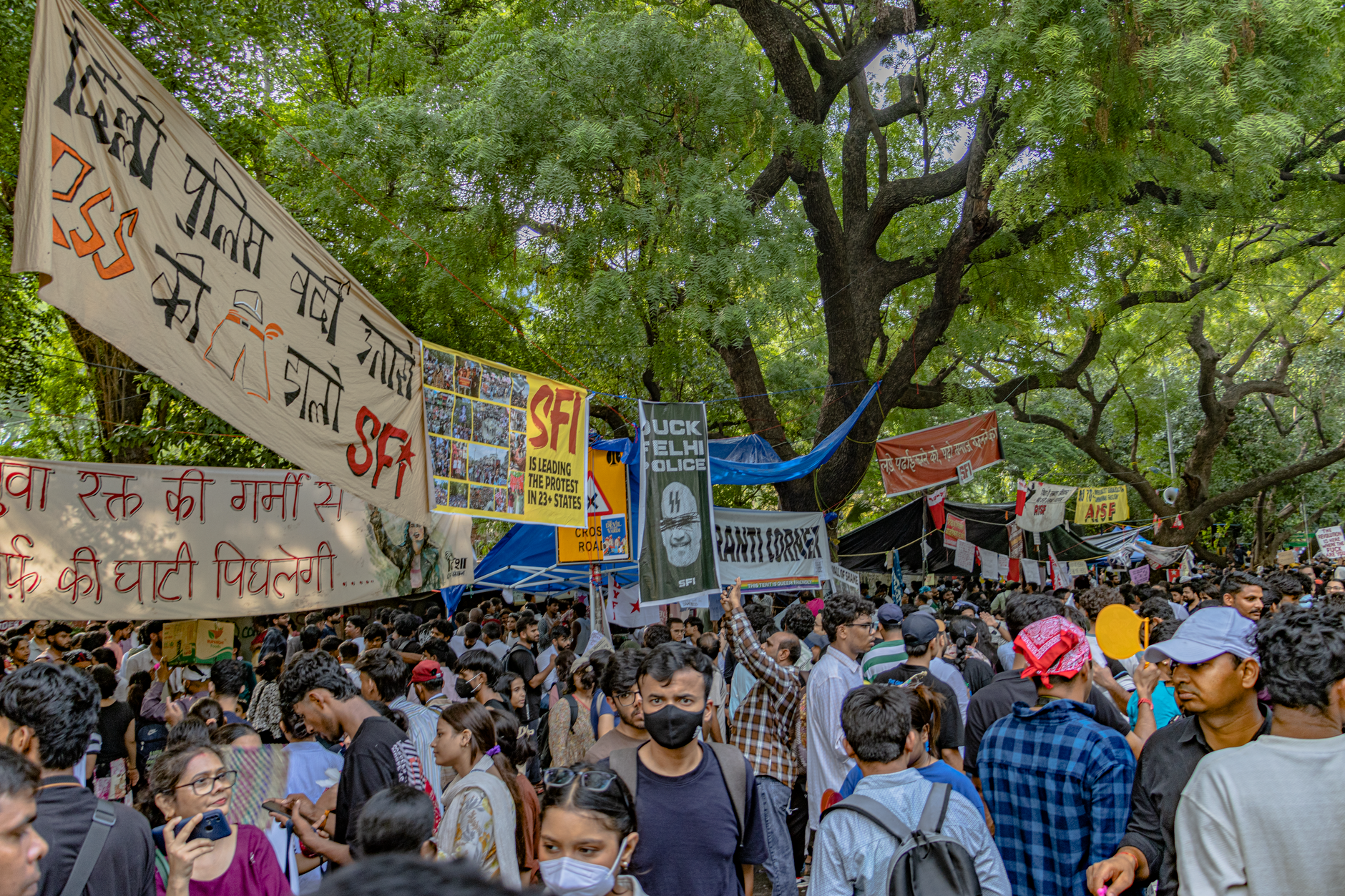
India’s Cockroach Movement Threatens to Restart Protests After Mass Student Arrests: A Deep Dive into Youth Activism
Ever felt like your voice isn't being heard, no matter how loudly you shout? Imagine that frustration boiling over into collective action, only to be met with suppression. This, my friend, is precisely the tension brewing in India right now, as the so-called 'Cockroach Movement' threatens to restart protests after mass student arrests. It's a critical moment, not just for the students involved, but for the very fabric of our democracy. Dekho, when young people feel cornered, they often find new, resilient ways to make their point. And understanding this dynamic is key to grasping the current affairs.
This isn't just another news headline; it's a complex narrative playing out, touching upon freedom of speech, student rights, and the government's response to dissent. So, let’s unpack this, understand what's truly at stake, and look at the path forward.
Understanding the 'Cockroach Movement': What's the Buzz All About, Yaar?
First things first, what exactly is this 'Cockroach Movement'? Well, it's not some official group with a manifesto, you see. It's a rather poignant, and somewhat ironic, term that has come to symbolize the persistent, resilient spirit of student activism in India. Like cockroaches, these movements, despite attempts to suppress them, just keep coming back. They're hard to get rid of, adapting and resurfacing with renewed vigour.
From Campus to Streets: The Spark that Ignited Protests
Historically, Indian campuses have been vibrant epicentres of intellectual discourse and, quite often, fierce activism. From anti-colonial struggles to post-independence movements for social justice, students have always been at the forefront. The 'Cockroach Movement' label has emerged more recently, particularly in the context of protests against specific government policies or perceived infringements on academic freedom and civil liberties.
The spark for these particular protests often lies in grievances related to education policies, fee hikes, lack of job opportunities, or even broader issues of social justice and human rights. When students feel their future is jeopardised or their fundamental rights are curtailed, they don't just sit quietly. They organise, they mobilise, and they protest. It’s a natural reaction, isn't it?
Why 'Cockroach'? A Symbol of Resilience or Derision?
The term itself is fascinating. It's often used by authorities or critics in a derogatory sense, implying that the protests are annoying, persistent, and difficult to eradicate. However, much like how many marginalised groups have reclaimed slurs, students seem to have ironically embraced it. For them, 'cockroach' might signify an unwavering resolve – a testament to their ability to endure suppression and re-emerge, stronger and more determined. It’s a powerful metaphor for resilience against overwhelming odds, a 'we won’t be silenced' kind of attitude.
The Recent Crackdown: Mass Student Arrests and Their Aftermath
Now, coming to the crux of the matter: the mass student arrests. This is where things get really tense. When protests escalate, or are perceived to be getting out of hand, authorities often step in, sometimes with heavy-handed measures. These recent arrests are a classic example of that.
What Led to the Arrests? Unpacking the Incident
While specific details might vary depending on the particular incident triggering the label, generally, mass arrests occur when protests move beyond designated areas, involve blockades, or are deemed disruptive to public order. Often, there are allegations of property damage, unlawful assembly, or even incitement. From the students' perspective, however, these are often seen as legitimate acts of civil disobedience, born out of desperation after all other avenues for dialogue have failed.
Imagine you've tried petitions, appeals, discussions – everything – and still, nothing changes. What’s left? Sometimes, for students, it feels like direct action is the only way to get noticed. The arrests, therefore, become a flashpoint, turning what might have been localised unrest into a nationwide talking point. It’s a catch-22, really.
The Immediate Impact: Fear, Frustration, and a Call to Action
When students are arrested en masse, the immediate impact is multi-layered. Firstly, there's fear and uncertainty among the student community and their families. Questions arise about legal aid, police conduct, and future implications for their careers. Secondly, there’s immense frustration and anger. Instead of quelling the protests, arrests often act as a catalyst, hardening resolve and garnering sympathy from wider sections of society.
This is precisely what has happened. The arrests, far from silencing the movement, have become a rallying cry. Student bodies, civil society groups, and even some political leaders have condemned the action, calling for the immediate release of the detainees and a more humane approach to student dissent. This sets the stage for the threat of renewed protests.
India’s Cockroach Movement Threatens to Restart Protests After Mass Student Arrests: What's Next?
So, here we are. The air is thick with anticipation. The threat to restart protests isn't just an empty promise; it's a very real possibility, backed by a history of student resilience. This development is crucial for anyone following India's current affairs and understanding its democratic pulse.
The Students' Stance: Why Restarting Protests Seems Inevitable
For the students, restarting protests isn't about being defiant for the sake of it. It’s often driven by a deep sense of injustice. The arrests, in their view, validate their narrative that the authorities are unwilling to listen and are resorting to strong-arm tactics. This can galvanise them further.
Moreover, there's a collective responsibility felt by those who remain free to stand up for their arrested peers. It's a matter of solidarity, a refusal to let their voices be crushed. They see restarting protests as the only effective way to pressure authorities to release their colleagues, address their core demands, and prevent similar crackdowns in the future. It’s their way of saying, “You can’t just make us disappear.”
Potential Scenarios: What Could a Resumed Protest Look Like?
A resumed protest could take several forms. It might start with peaceful demonstrations on campuses, boycotts of classes, or silent marches. However, if demands aren't met, these could escalate to larger public gatherings, road blockades, and coordinated actions across multiple cities or states. Social media, of course, will play a huge role in mobilising support and disseminating information, giving the movement a broad reach.
There's also the possibility of legal challenges to the arrests, combining street protests with judicial activism. The involvement of alumni, academics, and human rights lawyers could add another dimension to the movement, providing legal backing and amplifying their message on a national and international stage. It won’t be just a simple restart; it will be a more organised, perhaps even more strategic, movement.
Navigating the Tense Terrain: Challenges and Opportunities for All Stakeholders
This situation presents a challenging landscape for everyone involved – students, government, and society at large. Understanding the nuances is key to finding a constructive path forward.
Common Mistakes to Avoid for Protesters and Authorities
For Protesters:
- Lack of Clear Demands: Protests are most effective when their objectives are clear and concise. Vague demands can dilute the message and make negotiation difficult.
- Allowing Violence: Any form of violence, even if provoked, can instantly discredit a movement and alienate public sympathy.
- Ignoring Legal Boundaries: While civil disobedience is a tactic, completely disregarding laws can lead to severe consequences and make it harder to gain legal recourse.
- Poor Communication Strategy: Not effectively communicating their message to the public can lead to misrepresentation by media or authorities.
For Authorities:
- Underestimating Student Resolve: Dismissing student grievances as youthful exuberance or external manipulation can backfire, fueling greater anger.
- Over-reliance on Force: Mass arrests and excessive force often escalate, rather than de-escalate, situations, creating martyrs and galvanising further resistance.
- Refusal to Dialogue: Shutting down channels of communication breeds resentment and pushes students towards more confrontational tactics.
- Lack of Transparency: Not explaining actions or engaging in arbitrary detentions erodes public trust and gives credence to allegations of authoritarianism.
Pro Tips for Peaceful Advocacy and Effective Dialogue
For Students:
- Articulate Demands Clearly: Have a concise list of non-negotiable demands and clearly communicate them.
- Maintain Discipline: Ensure peaceful conduct and self-police against any elements trying to incite violence.
- Leverage Digital Platforms Wisely: Use social media for mobilisation and accurate information dissemination, but verify facts rigorously.
- Seek Legal Counsel: Be prepared with legal support and understand your rights, especially in cases of detention.
- Build Alliances: Collaborate with civil society organisations, alumni, and sympathetic public figures to broaden support.
For Authorities:
- Prioritise Dialogue: Establish open and consistent channels for communication with student representatives.
- De-escalate, Don't Provoke: Train law enforcement in crowd control techniques that prioritise de-escalation and minimise harm.
- Be Transparent: Clearly explain reasons for actions taken and provide due process for those detained.
- Address Root Causes: Look beyond the immediate protest to understand and address the underlying grievances that fuel student unrest.
- Protect Rights: Uphold the constitutional rights to freedom of speech and peaceful assembly, even amidst dissent.
Comparing Approaches: Understanding Different Perspectives on Student Activism
When we look at student movements like the 'Cockroach Movement,' it's rarely black and white. There are always multiple perspectives, and understanding them helps in forming a balanced view. Let's compare some common approaches and their potential outcomes.
| Aspect | Student Perspective (Protestors) | Government Perspective (Authorities) | Societal Perspective (General Public) |
|---|---|---|---|
| Motivation | Demand justice, freedom, better future, systemic change. | Maintain law & order, implement policy, ensure stability. | Seek resolution, stability; some align with students, some with govt. |
| Tactics | Peaceful rallies, boycotts, social media campaigns, civil disobedience. | Legal action, arrests, curfews, dialogue attempts, policy review. | Observation, debate, media consumption, potentially joining support. |
| View of 'Cockroach' Term | Reclaimed symbol of resilience, persistence, defiance. | Derogatory: Annoying, disruptive, unruly. | Varies: Some understand irony, others accept the derogatory meaning. |
| Effectiveness of Arrests | Galvanising, creates martyrs, strengthens resolve. | Deterrent, restores order, asserts authority. | Varies: Some see as necessary, others as oppressive. |
| Ideal Outcome | Demands met, policy reversal, student release, dialogue. | Protests cease, order restored, policy implemented. | Peaceful resolution, fair treatment, addressing grievances. |
| Role of Dialogue | Essential for resolution, but often feels ignored. | Important, but must adhere to established rules. | Crucial for democratic function and conflict resolution. |
Why This Matters to You: The Broader Implications of Student Movements
This isn't just about some students on some campus. The 'Cockroach Movement' and the broader phenomenon of student activism have far-reaching implications for all of us.
Benefits of an Engaged Youth: A Nation's Conscience
An engaged, questioning youth is a sign of a healthy democracy. Students often act as the conscience of a nation, highlighting injustices and holding power accountable without the baggage of political calculations. Their energy, idealism, and courage can be powerful drivers of social change and progress. When young people speak up, they often do so for issues that affect everyone, even if others are too jaded or intimidated to voice them.
Think about it: who will push for environmental justice, for ethical governance, for an inclusive society, if not the generations who will inherit the future? Their activism, even when inconvenient, forces introspection and discussion, which are vital for a vibrant public discourse.
The Trust Factor: Why Authorities Must Listen
For any government, maintaining the trust of its youth is paramount. When students feel unheard, dismissed, or repressed, it creates a deep chasm between the governed and the governors. This erosion of trust can have long-term consequences, leading to disengagement, cynicism, or even more radical forms of protest.
Listening to student grievances, engaging in respectful dialogue, and demonstrating a willingness to address legitimate concerns can build bridges. It shows that the democratic process is robust enough to accommodate dissent and respond to the needs of its citizens. This responsiveness is what truly strengthens a nation, not just brute force.
Frequently Asked Questions (FAQs)
Q1: What is the 'Cockroach Movement' in India?
A1: The 'Cockroach Movement' is a colloquial and often ironic term referring to resilient student activism in India. It symbolises the persistence of student protests, which, despite attempts at suppression, tend to re-emerge, much like cockroaches.
Q2: Why are students threatening to restart protests after mass arrests?
A2: Students are threatening to restart protests primarily due to a sense of injustice following mass arrests. They believe the arrests were an arbitrary crackdown on legitimate dissent, and restarting protests is a way to demand the release of their peers, highlight their core grievances, and pressure authorities for dialogue.
Q3: What were the main reasons for the initial student arrests?
A3: The initial student arrests typically occurred during protests perceived by authorities as disruptive to public order, involving unlawful assembly, blockades, or allegations of property damage. Students, however, often view these actions as necessary civil disobedience after other channels for redress failed.
Q4: How does student activism like the 'Cockroach Movement' impact Indian society?
A4: Student activism significantly impacts Indian society by acting as a national conscience, highlighting critical social and political issues, and holding authorities accountable. It drives public discourse, pushes for social change, and is crucial for a healthy, engaged democracy.
Q5: What measures can lead to a peaceful resolution of these protests?
A5: Peaceful resolution can be achieved through open and consistent dialogue between authorities and student representatives, clear articulation of demands by students, a commitment to non-violence from all sides, transparent government responses, and addressing the underlying grievances that fuel the protests.
Conclusion: A Call for Dialogue and Understanding
So, there you have it, folks. The situation with India’s Cockroach movement threatening to restart protests after mass student arrests is far more than just a passing news item. It's a testament to the enduring spirit of youth activism in India and a stark reminder of the delicate balance between freedom of expression and maintaining public order. We've seen how these young voices, often labelled pejoratively, reclaim their narrative and stand firm.
For our democracy to truly thrive, we need more than just silence; we need dialogue, understanding, and a genuine willingness to listen. Whether you're a student, a parent, an authority figure, or just an informed citizen, it's crucial to engage with these current affairs, understand the varying perspectives, and advocate for peaceful, constructive solutions. The future of our nation, after all, depends on how we handle the voices of its future. Let's hope wisdom prevails, and genuine engagement replaces confrontation. It’s time to move forward, together.
Related Stories
- Arsenal's pursuit of Vinicius Jr feels like a transfer pipe dream - but are Real Madrid forcing Brazilian superstar out with €120m Yan Diomande move?: Ultimate Guide, Latest Updates, and Key Insights
- Inside the wildfire crisis raging across France and Spain | Explained: Ultimate Guide, Latest Updates, and Key Insights
- Jadeja returns, Saransh Jain earns callup for Sri Lanka Tests: Ultimate Guide, Latest Updates, and Key Insights
- Buck Moon 2026: Can 'heavy rain' spoil July's full moon in India? Peak locations and city-wise timings: Ultimate Guide, Latest Updates, and Key Insights
- HUL Q1 results: Net profit falls 4% to Rs 2,631 crore, shares decline 3.4%: Ultimate Guide, Latest Updates, and Key Insights
Discussion (0)
No comments posted yet. Start the conversation below!
Leave a Reply