Non-Smokers Are Not Safe From Lung Damage: 5 Essential Rules to Protect Yourself from Second-Hand Smoke – A Crucial Update!
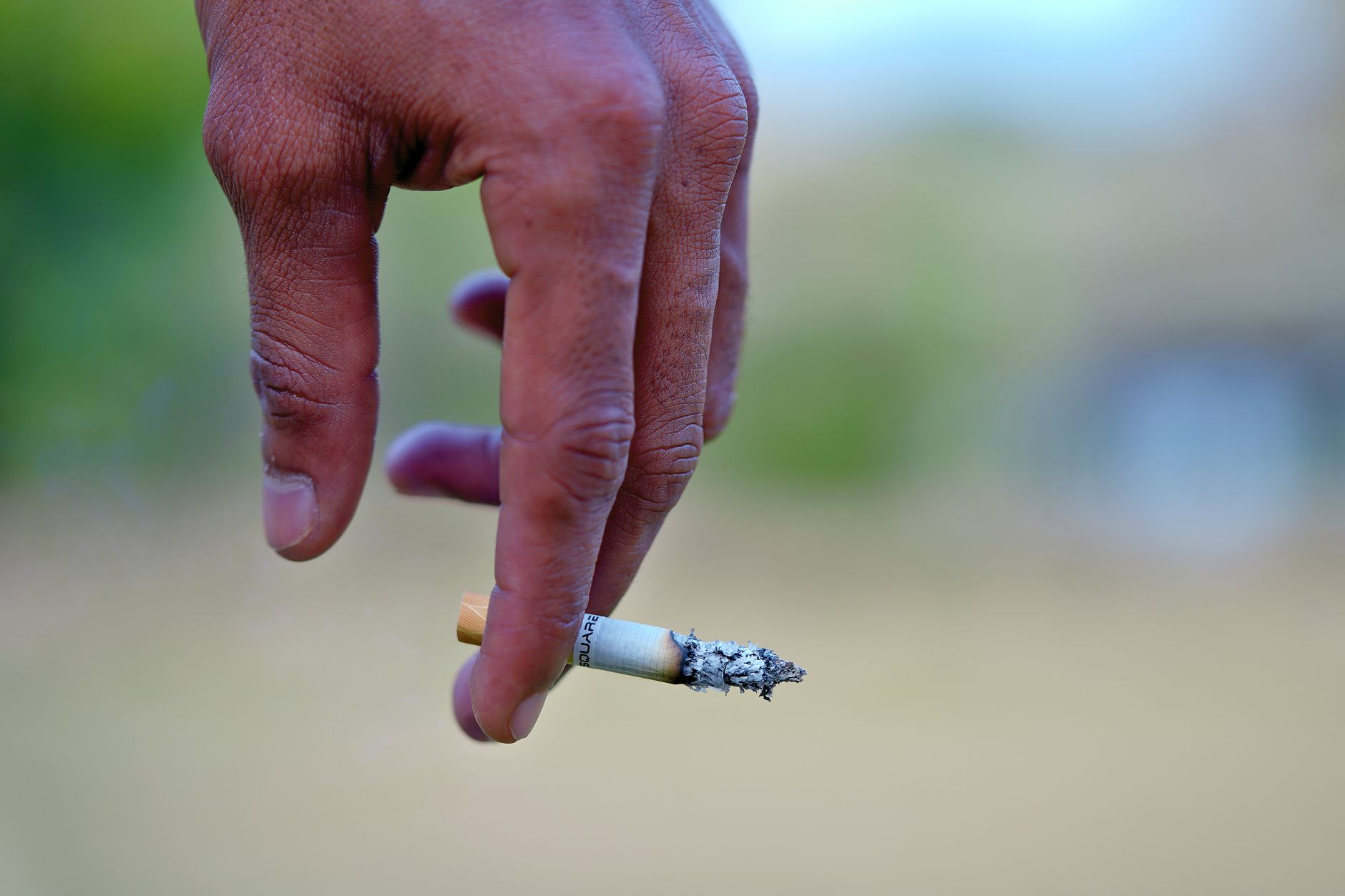
Namaste, folks! You know, sometimes we think, "Arre, I don't smoke, so I'm safe, right?" Well, Non-smokers are not safe from lung damage: 5 essential rules to protect yourself from second-hand smoke is not just a headline, it's a stark reality check. This isn't just about avoiding a nasty smell; it's about protecting your very breath, your lungs, and your overall health from a silent, invisible assassin. It’s a crucial current affairs update that directly impacts our well-being.
Let’s face it, living in India, we're often exposed to so much, from pollution to everyday stresses. But what many of us don't fully grasp is the grave danger posed by second-hand smoke, also known as passive smoking or environmental tobacco smoke (ETS). You might be diligently avoiding cigarettes, but if you're regularly exposed to someone else's smoke, you're essentially inhaling the same toxic cocktail, albeit diluted. So, how do we shield ourselves and our loved ones from this omnipresent threat? Don't worry, we're here to break down the latest news update and arm you with five simple, yet incredibly powerful rules. Chalo, let's dive in and take control of our lung health!
The Unseen Enemy: Why Second-Hand Smoke is So Dangerous for Non-Smokers
Dekho, when someone lights up a cigarette, two types of smoke are released: mainstream smoke (what the smoker inhales) and sidestream smoke (what wafts from the burning tip). Second-hand smoke is a mix of both. And here’s the kicker: sidestream smoke often contains higher concentrations of cancer-causing agents (carcinogens) and smaller particles than mainstream smoke. Why? Because it's not filtered like the smoke passing through a cigarette.
Think about it – this isn't just a bit of 'dhuan' (smoke). It’s a cocktail of over 7,000 chemicals, with hundreds of them being toxic and at least 69 known to cause cancer. We’re talking about substances like arsenic, benzene, cadmium, chromium, formaldehyde, and even carbon monoxide. Scary, right?
Immediate and Long-Term Health Risks: More Than Just a Cough
As someone who's seen the effects firsthand, both in communities and through medical reports, I can tell you the impact is significant. It's not just a minor irritation; it's a profound health hazard. The dangers are far-reaching and affect people of all ages.
For adults, constant exposure can lead to:
- Heart Disease: Passive smoking can increase your risk of heart attack and stroke by 25-30%. It damages blood vessels, makes your blood stickier, and affects cholesterol levels. Imagine your heart working harder just because someone else decided to light up next to you.
- Lung Cancer: Non-smokers exposed to second-hand smoke have a 20-30% higher risk of developing lung cancer. This is a cold, hard fact confirmed by countless studies globally, including those by the WHO.
- Respiratory Problems: Chronic cough, phlegm, reduced lung function, and exacerbated asthma are common complaints.
- Other Cancers: There's also growing evidence linking ETS to cancers of the larynx, pharynx, brain, bladder, and stomach.
And for our children, yaar, the risks are even more heartbreaking:
- Sudden Infant Death Syndrome (SIDS): Babies exposed to smoke have a significantly higher risk of SIDS.
- Severe Asthma Attacks: Children with asthma who are exposed to second-hand smoke suffer more frequent and severe attacks.
- Respiratory Infections: Pneumonia, bronchitis, and bronchiolitis become more common.
- Ear Infections: Chronic middle ear infections are also linked to passive smoking.
- Developmental Issues: Exposure during pregnancy can lead to low birth weight and impaired lung development in the child.
So, you see, the idea that non-smokers are safe simply because they don't hold a cigarette is a dangerous myth. Now that we understand the gravity of the situation, let's equip ourselves with the essential rules to fight back.
Rule 1: Make Your Home a Strict Smoke-Free Sanctuary
This is perhaps the most fundamental and critical step. Your home should be a haven, free from any airborne toxins, especially tobacco smoke. Many people think, "Oh, I'll just open a window," or "I'll smoke in the next room." Believe me, that's not enough. Smoke particles are tiny and can travel through vents, under doors, and even linger on surfaces like furniture, carpets, and clothes – a phenomenon known as 'third-hand smoke.'
How to Implement It:
- Strict No-Smoking Policy: Clearly communicate to everyone – family members, friends, guests – that smoking is absolutely prohibited inside your home, in the garage, and even on balconies if the smoke can drift back in. Be firm, but polite. You're protecting health, not being rude.
- Designated Outdoor Area: If someone insists on smoking, ask them to do it far away from windows and doors, preferably off your property or in a designated outdoor space well away from others.
- Lead by Example: If there's a smoker in the household, encourage them to quit. Offer support, resources, and understanding. This is a journey, and every step counts. For resources, you can always check out the Ministry of Health & Family Welfare's initiatives for smoking cessation. (Internal link suggestion: Link to resources on quitting smoking or lung health).
Rule 2: Actively Seek and Demand Smoke-Free Public Spaces
In India, we have laws against public smoking, but implementation can sometimes be a challenge. As responsible citizens and guardians of our own health, it’s our right and responsibility to ensure these rules are followed. Don’t just stand there and suffer – act!
What You Can Do:
- Be Aware of Your Rights: Under the Cigarettes and Other Tobacco Products Act (COTPA) 2003, smoking in public places like offices, hospitals, schools, colleges, restaurants, and railway stations is prohibited. Many states have further reinforced these rules.
- Choose Smoke-Free Establishments: When you're out, whether for dining, shopping, or entertainment, consciously choose places that strictly enforce smoke-free policies. Your patronage sends a strong message to businesses.
- Politely Speak Up: If you see someone smoking in a prohibited public space, a polite request can often work. "Excuse me, sir/madam, this is a no-smoking zone. Could you please put that out?" If it's an establishment, speak to the management.
- Report Violations: If direct intervention isn't possible or effective, report the violation to the authorities or management. Many public places have designated personnel to handle such issues.
Rule 3: Optimize Ventilation and Consider Air Purification Strategically
While making spaces smoke-free is paramount, sometimes exposure is unavoidable or lingering. This is where strategic ventilation and advanced air purification come into play. However, let's be clear: these are supplementary measures, not replacements for eliminating the source of smoke.
Understanding Ventilation:
Opening windows and using fans can help to some extent, but they are often insufficient to completely remove the harmful particles and gases from second-hand smoke. Smoke drifts, and fresh air can bring in outside pollutants too.
The Role of Air Purifiers:
For enclosed spaces where there might be a risk of lingering smoke or where you want an extra layer of protection, a good quality air purifier can make a significant difference. Look for purifiers with:
- HEPA Filters: These are crucial for capturing fine particulate matter, including those found in smoke.
- Activated Carbon Filters: Essential for absorbing gases, odors, and volatile organic compounds (VOCs) that are abundant in tobacco smoke and cannot be trapped by HEPA filters.
- High CADR (Clean Air Delivery Rate): This indicates how quickly the purifier cleans a room of a specific size.
Comparison Table: Air Purification Strategies for Second-Hand Smoke
| Strategy | Effectiveness Against Particulates (PM2.5) | Effectiveness Against Gases/Odors (VOCs) | Cost Implication | Maintenance | Best Use Scenario |
|---|---|---|---|---|---|
| Natural Ventilation | Low (disperses, doesn't remove) | Low (disperses, doesn't remove) | Very Low (no direct cost) | Opening windows/doors | Very mild or infrequent exposure; not a primary solution |
| Exhaust Fans | Moderate (if direct expulsion) | Moderate (if direct expulsion) | Low to Moderate | Cleaning blades | Kitchens, bathrooms; short-term smoke removal |
| Basic Air Purifier (HEPA Only) | High | Low (no chemical filtration) | Moderate | Regular filter replacement | Removing dust, pollen, some smoke particles (not gases) |
| Advanced Air Purifier (HEPA + Activated Carbon) | High | High | Moderate to High | Regular filter replacement (carbon often more frequent) | Indoor spaces with potential for lingering smoke/odors |
| HVAC System with MERV 13+ Filter | Moderate to High | Low (unless specialized filters added) | High (installation/power) | Professional maintenance, filter changes | Whole-home filtration in centralized systems |
Remember, no air purifier can perfectly remove all components of smoke, and none should be an excuse to allow smoking indoors. They are protective layers in environments where full control isn't always possible.
Rule 4: Educate and Advocate – Be the Change You Want to See
Sometimes, people who smoke are simply unaware of the full extent of the harm their habit causes to others. Or, they might feel it's their personal choice without realizing the broader public health impact. This is where gentle education and advocacy come in. It's about raising awareness, not confronting aggressively.
Approaches to Advocacy:
- Talk to Loved Ones with Empathy: If a family member or close friend smokes, approach them with concern, not accusation. Share facts about second-hand smoke’s impact on your health and the health of children. Frame it as a concern for everyone’s well-being. "Bhai, I worry about your health, but also about the kids. The doctor told me even a little smoke can be really bad for their lungs."
- Share Reliable Information: Refer to credible sources like the World Health Organization (WHO) or national health organizations. Knowledge is power, and well-researched facts can be more persuasive than emotional arguments.
- Support Smoke-Free Initiatives: Participate in local campaigns, sign petitions, or support organizations working towards a smoke-free society. Every voice adds to the collective effort.
- Model Healthy Behavior: Your commitment to a smoke-free lifestyle can be an inspiration to others. Sometimes, actions speak louder than words.
Rule 5: Prioritize Regular Health Check-ups and Personal Awareness
Even with all protective measures, some exposure might be inevitable in our daily lives. This makes personal health vigilance even more important. Early detection and understanding your body are key.
Stay Proactive About Your Health:
- Regular Medical Check-ups: Ensure you have annual health check-ups. Discuss your exposure risks with your doctor. They can advise on specific screenings or tests if necessary, especially for respiratory health.
- Monitor Your Symptoms: Be attuned to your body. Persistent cough, shortness of breath, chest tightness, or frequent respiratory infections should not be ignored. These could be signs of lung irritation or damage. Get them checked out promptly.
- Maintain a Healthy Lifestyle: A strong immune system and healthy lungs are your best defense. Eat nutritious food, exercise regularly, stay hydrated, and manage stress. This doesn't negate the dangers of smoke, but it supports your body's overall resilience.
- Educate Yourself Continuously: Stay updated on the latest research and public health advisories regarding tobacco and environmental toxins. Knowledge empowers you to make informed decisions for your health.
Benefits of a Truly Smoke-Free Life
Choosing to actively protect yourself and your family from second-hand smoke isn't just about avoiding harm; it's about embracing a myriad of benefits that enhance your overall quality of life. Seriously, the advantages are immense!
- Improved Health Outcomes: Drastically reduced risk of lung cancer, heart disease, stroke, and chronic respiratory conditions for everyone in your household. Imagine the peace of mind!
- Enhanced Children's Health: Your children will breathe easier, suffer fewer ear infections, asthma attacks, and respiratory illnesses. A healthier childhood leads to a healthier adult life, yaar.
- Better Indoor Air Quality: Your home will smell cleaner, feel fresher, and genuinely be a healthier space. No more lingering stale smoke odor on clothes or furniture.
- Financial Savings: Less money spent on medical bills related to passive smoking illnesses. Also, a cleaner home means less frequent need for deep cleaning due to smoke residue.
- Increased Productivity and Well-being: When you and your family are healthier, energy levels are up, and overall well-being improves. Who doesn't want that?
- Setting a Positive Example: You become a role model for friends, family, and community members, promoting a culture of health and respect for everyone's well-being.
Why These Rules Are Your Best Defense
These five essential rules aren't just random tips; they form a holistic, multi-layered defense strategy against second-hand smoke. They address the problem from various angles – personal spaces, public environments, technological aid, social advocacy, and personal health monitoring. Each rule complements the others, creating a robust shield.
They are rooted in scientific understanding of smoke's dispersal and health impacts, aligned with public health guidelines, and actionable in real-world scenarios. By adopting these rules, you're not just reacting; you're proactively shaping a healthier environment for yourself and those around you. This isn't just about preventing disease; it's about reclaiming your right to clean air.
Common Mistakes People Make While Dealing with Second-Hand Smoke
Sometimes, despite good intentions, people make mistakes that inadvertently expose them or their loved ones to passive smoke. Let's look at some common pitfalls:
- "Just opening a window is enough." As discussed, this only offers minimal dispersal and doesn't remove the toxic particles and gases effectively. Smoke lingers and travels.
- "Smoking in another room or on the balcony is fine." Smoke doesn't respect walls or doors. It drifts, infiltrates, and contaminates other areas of the home, even settling on surfaces.
- "A little bit won't hurt." There is no safe level of exposure to second-hand smoke. Even brief exposure can have immediate effects on blood vessels and can contribute to long-term health risks.
- "Using air fresheners will clean the air." Air fresheners only mask the smell; they do nothing to remove the harmful chemicals and particles. In fact, they might add more chemicals to the air.
- "Just holding your breath or moving away briefly." While moving away helps reduce immediate exposure, it's not a sustainable solution, especially if you're frequently in the same environment. And holding your breath is, well, impractical!
- Being too shy to speak up. Often, people are hesitant to ask someone to stop smoking, especially elders or friends. But your health is paramount, and a polite, firm request is your right.
Pro Tips for a Truly Smoke-Free Existence
Beyond the five essential rules, here are some advanced tips and considerations to truly solidify your defense against second-hand smoke and foster a healthier environment:
- Vehicle as a Smoke-Free Zone: Just like your home, make your car a strict smoke-free zone. Even with windows down, smoke particles accumulate and linger on upholstery, posing a risk, especially to children. This is crucial for road trips and daily commutes.
- Choose Smoke-Free Travel Options: When booking flights, trains, or even hotels, explicitly choose and confirm smoke-free options. Don't assume. Many places offer specific smoke-free rooms or carriages.
- Support & Promote Quitting Programs: If you know someone struggling to quit, guide them towards local government-supported cessation programs or helplines. Your support can be life-changing for them and, by extension, for everyone around them.
- Advocate for Stronger Policies: Engage with local municipal bodies or NGOs to advocate for stricter enforcement of public smoking bans and the creation of more smoke-free public spaces, like parks and playgrounds. Our collective voice can bring about significant policy changes.
- Regular Cleaning: If you've been in an environment with second-hand smoke, wash your clothes and even shower to remove residual smoke particles (third-hand smoke) from your person. Regularly clean surfaces in your home to prevent build-up, especially if a smoker visits.
- Plant Power (Limited but Helpful): While not a solution for active smoke, certain indoor plants like Snake Plant (Sansevieria), Areca Palm, or Money Plant can help filter some airborne toxins and improve overall indoor air quality over time. Consider them as a small, natural boost.
FAQs: Your Questions About Second-Hand Smoke Answered
Q1: Can opening a window completely protect me from second-hand smoke indoors?
No, opening a window is not sufficient to fully protect you from second-hand smoke. While it can help disperse some of the smoke, it does not effectively remove all the harmful particles and gases. Smoke particles are incredibly small and can linger in the air and settle on surfaces, continuing to pose health risks.
Q2: What's the difference between second-hand and third-hand smoke?
Second-hand smoke is the smoke exhaled by a smoker and the smoke from the burning tip of a cigarette, which is directly inhaled by others. Third-hand smoke refers to the residue from tobacco smoke that clings to surfaces like clothes, furniture, carpets, walls, and even hair and skin long after the cigarette has been extinguished. It contains harmful toxins that can be re-emitted into the air or absorbed through touch.
Q3: Is there a safe level of exposure to second-hand smoke?
Absolutely not. Health experts and organizations worldwide, including the WHO, state that there is no safe level of exposure to second-hand smoke. Even brief exposure can cause immediate harm to blood vessels and increase the risk of serious health problems over time.
Q4: How does second-hand smoke specifically affect children differently than adults?
Children are particularly vulnerable to second-hand smoke because their lungs are still developing, they breathe faster than adults, and their immune systems are less developed. This makes them more susceptible to severe asthma attacks, respiratory infections (like bronchitis and pneumonia), ear infections, and even Sudden Infant Death Syndrome (SIDS) in infants.
Q5: What is the most effective way to protect myself and my family from second-hand smoke?
The most effective way to protect yourself and your family is to establish and strictly maintain smoke-free environments. This means enforcing a complete ban on smoking in your home and car, actively avoiding public places where smoking is allowed or prevalent, and educating others about the dangers of passive smoking. Air purifiers can offer additional protection in unavoidable situations but are not a substitute for eliminating the source.
Time to Breathe Easy: Your Call to Action!
So, there you have it, folks. The notion that Non-smokers are not safe from lung damage: 5 essential rules to protect yourself from second-hand smoke is not just a warning; it’s a rallying cry for action. This isn't just about statistics or medical jargon; it's about our everyday lives, our children's futures, and our right to breathe clean air in our own country. The latest news update on this issue serves as a critical reminder.
Let’s shed the complacency and step up. By implementing these five essential rules – making your home smoke-free, demanding smoke-free public spaces, optimizing air quality, educating others, and staying vigilant about your health – you're not just protecting yourself; you're contributing to a healthier, more conscious society. Let's work together to make second-hand smoke a thing of the past. Your lungs, and the lungs of those you love, will thank you. Chalo, let's make a real difference, starting today!
Related Stories
- Future of AI brain models sparks debate: Ultimate Guide, Latest Updates, and Key Insights
- Voyager 1 to Cross One Light-Day Mark on Nov. 18, Becoming Farthest Human Object Ever: Ultimate Guide, Latest Updates, and Key Insights
- "You Worthless Man": Video Shows Netanyahu's Wife Arguing With Ex-PM In Parliament: Ultimate Guide, Latest Updates, and Key Insights
- Kareena Kapoor gets legal notice from Congress leader over Quran-inscribed royal pendant: Ultimate Guide, Latest Updates, and Key Insights
- Decoding medical misinformation in hospitals: Ultimate Guide, Latest Updates, and Key Insights
Discussion (0)
No comments posted yet. Start the conversation below!
Leave a Reply