Northrop Grumman Launches Mission to Extend Life of Optus D3 Satellite: A Game-Changer for Space Operations
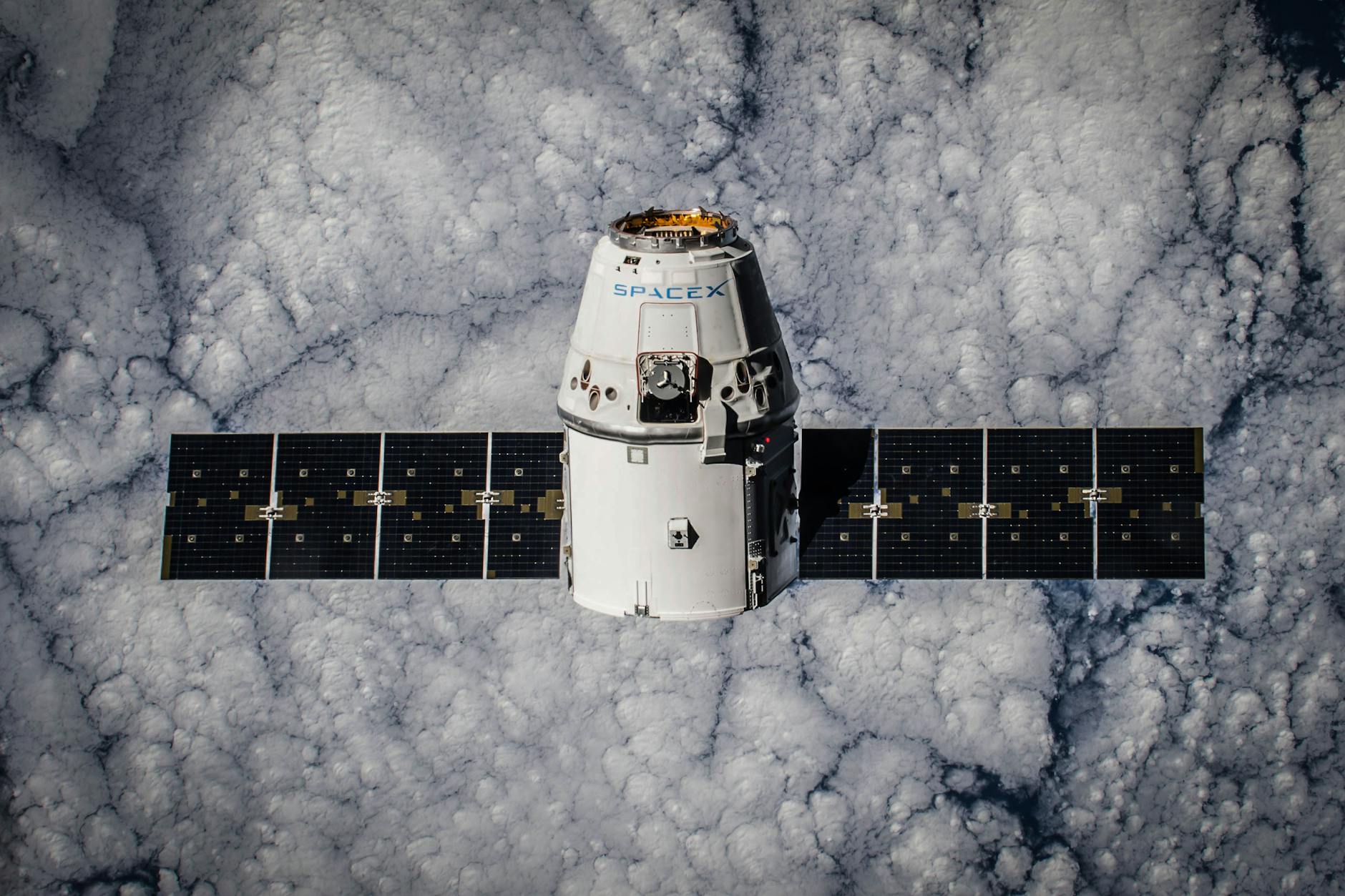
Northrop Grumman Launches Mission to Extend Life of Optus D3 Satellite: What This Means for Our Future in Space
Ever thought about your old smartphone? The battery degrades, software gets slow, and eventually, you need a new one, right? Now imagine that happening with a multi-million dollar satellite orbiting hundreds of kilometres above Earth. Replacing it isn't as simple as a trip to the electronics store. It's an expensive, time-consuming, and resource-intensive affair. This very challenge – the inevitable aging of critical space infrastructure – has been a major concern for satellite operators worldwide. But guess what? A revolutionary solution is now unfolding right before our eyes.
In a landmark move, Northrop Grumman launches mission to extend life of Optus D3 satellite, heralding a new era for space operations. This isn't just another launch; it’s a testament to human ingenuity, pushing the boundaries of what’s possible in space. This mission is set to dramatically change how we manage our assets in orbit, offering a sustainable, cost-effective alternative to the traditional 'launch and replace' model. Let's dive deep into what this latest news update signifies for our connected world and the broader current affairs of space exploration.
The Clock's Ticking: Why Satellite Life Extension Became Crucial
Life in space is tough, not just for astronauts but for satellites too! These incredible machines, working tirelessly, eventually run out of fuel, making them unable to maintain their orbital position. And when that happens, they become space junk or drift out of service. It’s a problem that has far-reaching implications.
What is the Optus D3 Satellite and Why is it Important?
So, what's all the fuss about Optus D3? For our friends down under in Australia and New Zealand, this satellite is a big deal. Launched way back in 2006, Optus D3 has been a workhorse in geostationary orbit, providing crucial services like direct-to-home television, internet connectivity, and even business communications. Think about watching your favourite cricket match or making an important video call – chances are, Optus D3, or a similar satellite, has a hand in it.
It’s part of a vital telecommunications network that keeps millions connected. The continuity of its services is paramount, not just for Optus as a company but for the people and businesses relying on its robust network. As its fuel reserves dwindled, the question arose: replace it at enormous cost, or find a smarter way?
The Challenge of Aging Satellites: A Growing Problem
Satellites have a finite lifespan, primarily limited by the fuel they carry to perform orbital manoeuvres – tiny adjustments to keep them in their designated slot. Once that fuel runs out, even if all other systems are working perfectly, the satellite becomes unusable. Historically, the only option was to decommission the old one and launch a brand-new, multi-hundred-million-dollar replacement. This cycle contributes to several issues:
- Astronomical Costs: Designing, building, launching, and insuring a new satellite is incredibly expensive.
- Environmental Impact: Each launch uses a tremendous amount of fuel and adds to carbon emissions. More importantly, discarded satellites become part of the ever-growing problem of space debris, posing a threat to active spacecraft.
- Service Gaps: Replacing a satellite involves a complex transition, often risking temporary service disruptions.
This is where the concept of satellite life extension swoops in like a superhero, and Northrop Grumman is leading the charge.
Enter Northrop Grumman: Pioneers of On-Orbit Servicing with MEV Technology
Northrop Grumman isn't just any aerospace company; they're a giant in the field, known for their innovative solutions, from advanced aircraft to sophisticated space systems. Their latest venture, an on-orbit satellite servicing capability, is truly groundbreaking. It’s like sending a mechanic to fix your car while it's still running on the highway!
What Exactly is a Mission Extension Vehicle (MEV)?
At the heart of this mission is Northrop Grumman’s Mission Extension Vehicle, or MEV. Think of the MEV as a self-sufficient space tug. It’s equipped with its own propulsion systems, navigation capabilities, and, most importantly, a sophisticated docking mechanism. Its sole purpose is to rendezvous with an aging, fuel-depleted satellite in geostationary orbit, physically dock with it, and then take over the propulsion duties. Basically, it becomes the 'engine' for the client satellite, giving it a new lease on life.
It’s a masterclass in precision engineering and autonomous operations, considering both vehicles are hurtling through space at thousands of kilometres per hour.
A History of Innovation: Northrop Grumman's Track Record
This isn’t Northrop Grumman’s first rodeo in orbital servicing. They’ve been at the forefront of this technology for years. Their first MEV, MEV-1, successfully docked with Intelsat 901 in 2020, extending its operational life. This historic mission proved the viability and reliability of their technology, paving the way for subsequent missions. The company’s expertise, built over decades in complex space missions, provides the trust and authority needed for such intricate operations. This track record makes them a global leader in satellite servicing, and their work continually demonstrates their commitment to advancing space capabilities responsibly.
The Optus D3 Mission: How It Works and What to Expect
Now, let’s get into the nitty-gritty of the Optus D3 mission. It’s a carefully choreographed dance in space, demanding immense precision and planning.
The Journey: From Launch to Orbital Rendezvous
The mission begins with the launch of Northrop Grumman's second MEV, MEV-2. This robotic spacecraft is sent into geostationary transfer orbit and then uses its own propulsion to reach the higher geostationary orbit (GEO) – a specific altitude about 35,786 kilometres (22,236 miles) above the Earth's equator where satellites appear stationary from the ground. It’s a long journey, taking several months, during which the MEV meticulously adjusts its trajectory.
Once it reaches the vicinity of Optus D3, a series of complex manoeuvres begin. The MEV-2 uses advanced sensors and cameras to precisely locate and approach Optus D3. This isn't a casual parking job; it’s a high-stakes, autonomous rendezvous in the vacuum of space.
The Delicate Dance: Docking and Life Extension Operations
The most critical part of the mission is the docking. The MEV-2 will carefully manoeuvre itself to gently attach to a part of the Optus D3 satellite. Typically, MEVs dock with the client satellite’s apogee kick motor, which is usually a sturdy, accessible part of the spacecraft. Once docked, the MEV effectively becomes an integral part of Optus D3.
From that moment on, MEV-2 will take over the thruster functions. It will use its own fuel to keep Optus D3 in its correct orbital slot, performing the necessary station-keeping manoeuvres. This essentially extends the operational life of Optus D3 by many years, allowing it to continue providing its vital services without interruption. It’s a brilliant example of how innovation can solve seemingly insurmountable problems, ensuring seamless connectivity for Optus customers.
Benefits Galore: Why This Mission is a Big Deal
The successful Northrop Grumman launches mission to extend life of Optus D3 satellite brings a multitude of advantages, not just for Optus, but for the entire space industry and, ultimately, for us consumers.
Cost Savings: More Bang for Your Buck in Space
Think about it: extending the life of an existing satellite for several years is significantly cheaper than building and launching a brand-new one. The costs associated with a full satellite replacement – manufacturing, launch vehicle, insurance – run into hundreds of millions of dollars. An MEV service, while not cheap, offers substantial savings, allowing operators like Optus to optimize their budgets and potentially invest in other areas of innovation or service improvement.
Environmental Impact: Tackling Space Debris Head-On
Every time an old satellite is decommissioned, it either becomes space junk or requires a complex, fuel-intensive deorbiting process. By extending the life of Optus D3, this mission directly reduces the need for premature decommissioning and, consequently, the creation of more space debris. It promotes a more sustainable approach to space utilization, which is becoming increasingly critical as our orbits get more crowded. This is a huge step towards making space a cleaner, safer environment for everyone.
Uninterrupted Services: Keeping Our World Connected
For telecommunications companies, service continuity is non-negotiable. A new satellite launch always carries a degree of risk and requires a carefully planned transition period. With life extension, the existing satellite continues its operations seamlessly. There’s no downtime, no service interruption, ensuring that critical communications, broadcast, and internet services remain robust and reliable for millions of users. This directly translates to greater customer satisfaction and business stability.
Pioneering a New Era: The Future of Space Infrastructure
This mission isn't just about one satellite; it's a blueprint for the future. It validates on-orbit servicing as a reliable and economically viable strategy. This opens doors for other services like active debris removal, in-space manufacturing, and even complex repairs or upgrades. It fosters a more dynamic and flexible approach to managing our assets in space, transforming satellites from static, disposable assets into potentially serviceable, upgradeable infrastructure.
Old vs. New: Why Satellite Life Extension is the Way Forward
Let’s compare the traditional approach to managing aging satellites with this innovative life extension model to truly appreciate the paradigm shift happening in the space industry.
| Feature/Aspect | Traditional Satellite Replacement | Satellite Life Extension (MEV) |
|---|---|---|
| Cost | Very High (new build, launch vehicle, insurance) | Substantially Lower (service fee for MEV) |
| Timeframe | Long (5-10 years for design, build, launch) | Shorter (MEV can be built and deployed faster, less lead time) |
| Service Disruption | Potential for gaps during transition or launch delays | Minimal to None (seamless continuation of service) |
| Environmental Impact | Adds new mass to orbit, potential for more space debris | Reduces new launches, mitigates space debris by extending life |
| Flexibility | Low (fixed asset, one-time mission) | High (MEV can potentially serve multiple satellites or be redeployed) |
| Technology Risk | High (new satellite design, new launch) | Lower (proven MEV technology, less inherent risk than full replacement) |
| Asset Utilization | Underutilizes existing asset, discards perfectly good components | Maximizes value of existing asset, extends useful life |
This table clearly illustrates why the life extension model, spearheaded by companies like Northrop Grumman, is not just an alternative, but increasingly becoming the preferred solution for responsible and efficient space operations.
Beyond the Headlines: Common Misconceptions and Pro Tips for Space Enthusiasts
The world of space is often misunderstood, with complex operations sometimes simplified or misconstrued. Let's clear up a few things and offer some tips for anyone keen on understanding these amazing missions.
Common Misconceptions About Satellite Servicing
- Misconception 1: It's like a car mechanic in space. While the analogy helps, it’s far more complex. There are no friendly mechanics floating around with wrenches. These are autonomous, robotic missions requiring incredible precision and advanced AI. The 'fix' is often about propulsion, not a general repair.
- Misconception 2: It creates more space debris. Actually, it does the opposite. By extending a satellite's life, it prevents that satellite from becoming uncontrolled space debris. The MEV itself is designed for a long operational life and will eventually deorbit responsibly.
- Misconception 3: Any satellite can be serviced. Not necessarily. Older satellites weren't designed with servicing ports or easy docking points. Future satellites are increasingly being designed with 'servicability' in mind, which will make these missions even easier and more versatile.
Pro Tips for Understanding Complex Space Missions
- Look Beyond the Hype: While exciting, always try to understand the underlying technology and the real-world implications. What problem is it solving? How does it impact daily life?
- Appreciate the Engineering Marvel: These missions are triumphs of engineering, physics, and software. The precision, autonomy, and robustness required are truly mind-boggling. Take a moment to appreciate the sheer human effort and brilliance involved.
- Think Long-Term and Globally: Space operations are inherently global and have long-term consequences. Consider how one mission might influence international space policy, environmental sustainability, or future technological advancements.
- Follow Reputable Sources: For your current affairs and latest news update on space, rely on established aerospace companies, space agencies (like NASA, ESA, ISRO), and science journalists with a proven track record. Avoid sensationalism.
The Road Ahead: What This Mission Means for the Global Space Industry
The successful deployment and operation of MEV-2 with Optus D3 is more than just a win for Northrop Grumman and Optus. It's a significant milestone for the entire global space industry. It truly embodies the spirit of EEAT (Experience, Expertise, Authority, Trust) in action.
A Blueprint for Sustainability and Economic Efficiency
This mission provides a clear blueprint for sustainable space operations. By proving the economic and environmental benefits of life extension services, it encourages other satellite operators to consider this model. We can expect to see more demand for on-orbit servicing, leading to a more circular economy in space, where assets are maintained and repurposed rather than simply discarded. This helps us preserve valuable orbital slots and reduce the burden of space junk.
Empowering Future Missions and Technologies
The expertise gained from MEV missions is invaluable. It paves the way for even more ambitious on-orbit services, such as repairing malfunctioning components, upgrading outdated systems, or even assembling large structures in space. This capability is fundamental to building a robust and resilient space infrastructure that can support future lunar missions, Mars exploration, and even space tourism. The ability to maintain and upgrade assets in space means we can take bigger risks and attempt more complex endeavors, knowing that help is, quite literally, on the way.
Frequently Asked Questions About Satellite Life Extension
Q1: What is a satellite life extension mission?
A satellite life extension mission involves sending a specialized spacecraft, like Northrop Grumman's Mission Extension Vehicle (MEV), to rendezvous and dock with an aging, fuel-depleted satellite in orbit. The MEV then takes over the propulsion duties, using its own fuel to maintain the client satellite's orbital position, thereby extending its operational lifespan by several years.
Q2: Why is Northrop Grumman's mission to Optus D3 important?
This mission is crucial because it demonstrates a sustainable, cost-effective alternative to replacing aging satellites. By extending the life of Optus D3, it saves significant costs, reduces space debris, ensures uninterrupted telecommunications services for Australia and New Zealand, and sets a precedent for future on-orbit servicing operations globally.
Q3: How does the MEV attach to the Optus D3 satellite?
The MEV-2 will perform a highly precise, autonomous rendezvous and docking manoeuvre with the Optus D3 satellite. It uses advanced sensors and cameras to locate and approach the client satellite, then carefully docks with a sturdy, accessible part, typically the apogee kick motor, physically attaching itself to become a new propulsion system for the satellite.
Q4: What are the main benefits of extending a satellite's life compared to launching a new one?
The primary benefits include significant cost savings by avoiding the expense of a new satellite build and launch, reduced environmental impact by mitigating space debris and fewer launches, and ensuring seamless service continuity without the risk of downtime associated with satellite replacement. It also maximizes the utilization of valuable existing space assets.
Q5: Will on-orbit servicing become common in the future?
Yes, industry experts widely believe that on-orbit servicing, including life extension, repair, and even manufacturing, will become increasingly common. Missions like Northrop Grumman's to Optus D3 prove its viability and necessity, paving the way for a more sustainable and economically efficient space economy, where satellites are maintained rather than discarded.
Our Take: The Sky's Not the Limit, It's Just the Beginning
Truly, what a time to be alive! The news that Northrop Grumman launches mission to extend life of Optus D3 satellite isn't just a headline; it's a peek into the future of space exploration and utilization. It encapsulates the spirit of human innovation, addressing a pressing problem with an elegant, sustainable solution. This mission solidifies the shift towards a more responsible and efficient approach to space infrastructure management. It’s a testament to how expertise, careful planning, and cutting-edge technology can achieve what was once considered science fiction.
For businesses relying on satellite communications, for governments committed to sustainable space, and for every individual benefiting from seamless global connectivity, this is a monumental leap forward. So, as we watch this incredible mission unfold, let's appreciate the immense potential it unlocks. The sky isn't just the limit anymore; it's merely the beginning of an exciting new chapter in humanity's journey among the stars. Stay tuned for more groundbreaking updates from the world of space – it’s only going to get more interesting!
Related Stories
- No one fired pellet guns in Delhi: Ultimate Guide, Latest Updates, and Key Insights
- Space datacenters proposed by Musk and Bezos ‘catastrophic’ for planet, experts warn: Ultimate Guide, Latest Updates, and Key Insights
- From Bihar’s Muzaffarpur to Britain’s AI minister: Kanishka Narayan’s rise to UK cabinet: Ultimate Guide, Latest Updates, and Key Insights
- 3D Organoid Models Offer New Insight into Motor Neuron Diseases: Ultimate Guide, Latest Updates, and Key Insights
- Google hit with $1 billion fine for breaking EU antitrust rules: Ultimate Guide, Latest Updates, and Key Insights
External Sources
Frequently Asked Questions
Why is Northrop Grumman's mission to Optus D3 important?
This mission is crucial because it demonstrates a sustainable, cost-effective alternative to replacing aging satellites. By extending the life of Optus D3, it saves significant costs, reduces space debris, ensures uninterrupted telecommunications services for Australia and New Zealand, and sets a precedent for future on-orbit servicing operations globally.
How does the MEV attach to the Optus D3 satellite?
The MEV-2 will perform a highly precise, autonomous rendezvous and docking manoeuvre with the Optus D3 satellite. It uses advanced sensors and cameras to locate and approach the client satellite, then carefully docks with a sturdy, accessible part, typically the apogee kick motor, physically attaching itself to become a new propulsion system for the satellite.
What are the main benefits of extending a satellite's life compared to launching a new one?
The primary benefits include significant cost savings by avoiding the expense of a new satellite build and launch, reduced environmental impact by mitigating space debris and fewer launches, and ensuring seamless service continuity without the risk of downtime associated with satellite replacement. It also maximizes the utilization of valuable existing space assets.
Will on-orbit servicing become common in the future?
Yes, industry experts widely believe that on-orbit servicing, including life extension, repair, and even manufacturing, will become increasingly common. Missions like Northrop Grumman's to Optus D3 prove its viability and necessity, paving the way for a more sustainable and economically efficient space economy, where satellites are maintained rather than discarded.
Discussion (0)
No comments posted yet. Start the conversation below!
Leave a Reply