

It’s a normal day. Somehow tears pool under your eyes, threatening to spill out the canthus at any moment. How did this happen? Your eyes sting. The more you move your hand on the chopping board, the worse the sting becomes. Sadly, the tears come, full and uncontrollable.
What am I mourning? Maybe the red bulb onion in my hand?
Lacrimosa
The stinging tears won’t stop! You can go away for a while but it will only give you temporary relief. Come back and it’s lachrymosa everywhere! If you think that chopping shallots (small onion brothers) would be different, you are wrong. Some members of the allium family are not to be messed with.
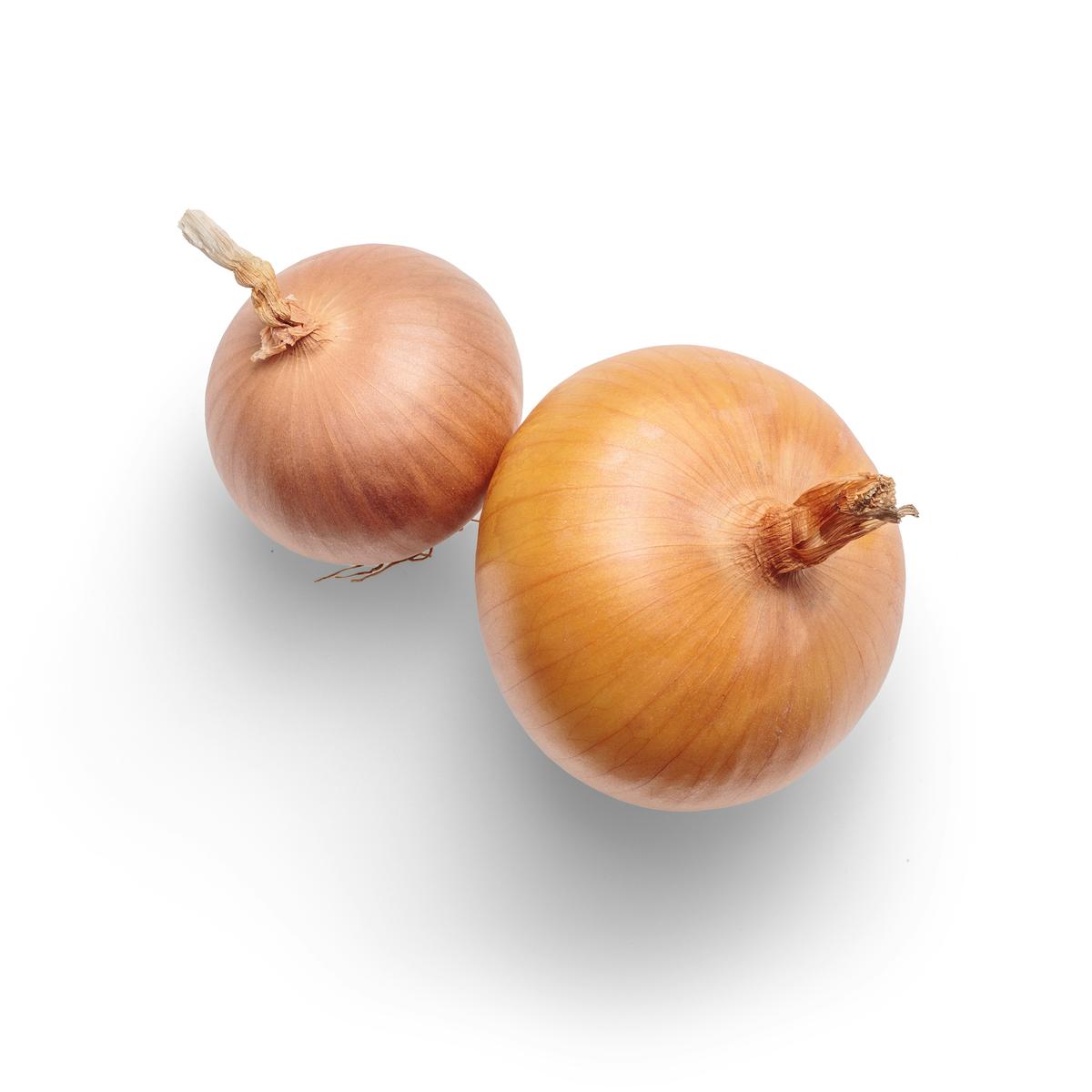
Some members of the allium family are not to be messed with. | Photo Credit: Unsplash Images
Major members of the Allium family
Bulb Onions, Shallots, Garlic, Scallions, Leeks, Chives
A culinary favourite, bulb onion is also known as common onion (scientific name: allium cepa), are plants of the Allium genus and are highly valued for their flavor. In fact, they are one of the oldest cultivated plants in the world. Its funny meaning is that almost every person, even the most cold and uncaring human being, has cried for onions at least once in his life.

The stinging tears won’t stop! | Photo Credit: Getty Images/iStockphoto
Lacrimosa The Latin word for ‘to cry or shed tears’.
Well, you can cry a river for me
Onion bulbs grow underground by absorbing minerals, especially sulfur, from the soil. Many of you may have realized from biology class that soil is home to a variety of microorganisms, insects, fungi, worms, etc. Therefore, the onion displays rationality and develops a defense mechanism, a chemical warfare, to keep these organisms away from itself. This is the defense mechanism we experience when cutting an onion. This is Onion’s attempt to keep away anyone who wants to harm him.
Sin
Let’s explain this in more detail. Onion cells are full of an enzyme called alliinase. Once onions absorb sulfur from the soil, they use it with amino acids, converting them into sulfur-containing amino acids. When we cut onions, we break the onion cells and the enzymes and all the contents come out. These react with sulfur-containing amino acids and eventually give rise to an unstable chemical known as syn-propanethyl-S-oxide. This chemical is also called lachrymatory factor (LF).
Criminal:
Syn-Propanethyl-S-Oxide
The root of our burning eyes is exactly this LF. Once formed, the molecules of syn-propanethyl-S-oxide spread into the air and eventually reach the nerves in the cornea of the unfortunate onion cutter. Needless to say, this also causes additional damage. If someone is patiently doing his work in the kitchen while you are chopping onions, he will also cry. They will also have a similar stinging sensation in their eyes, although the intensity may vary.
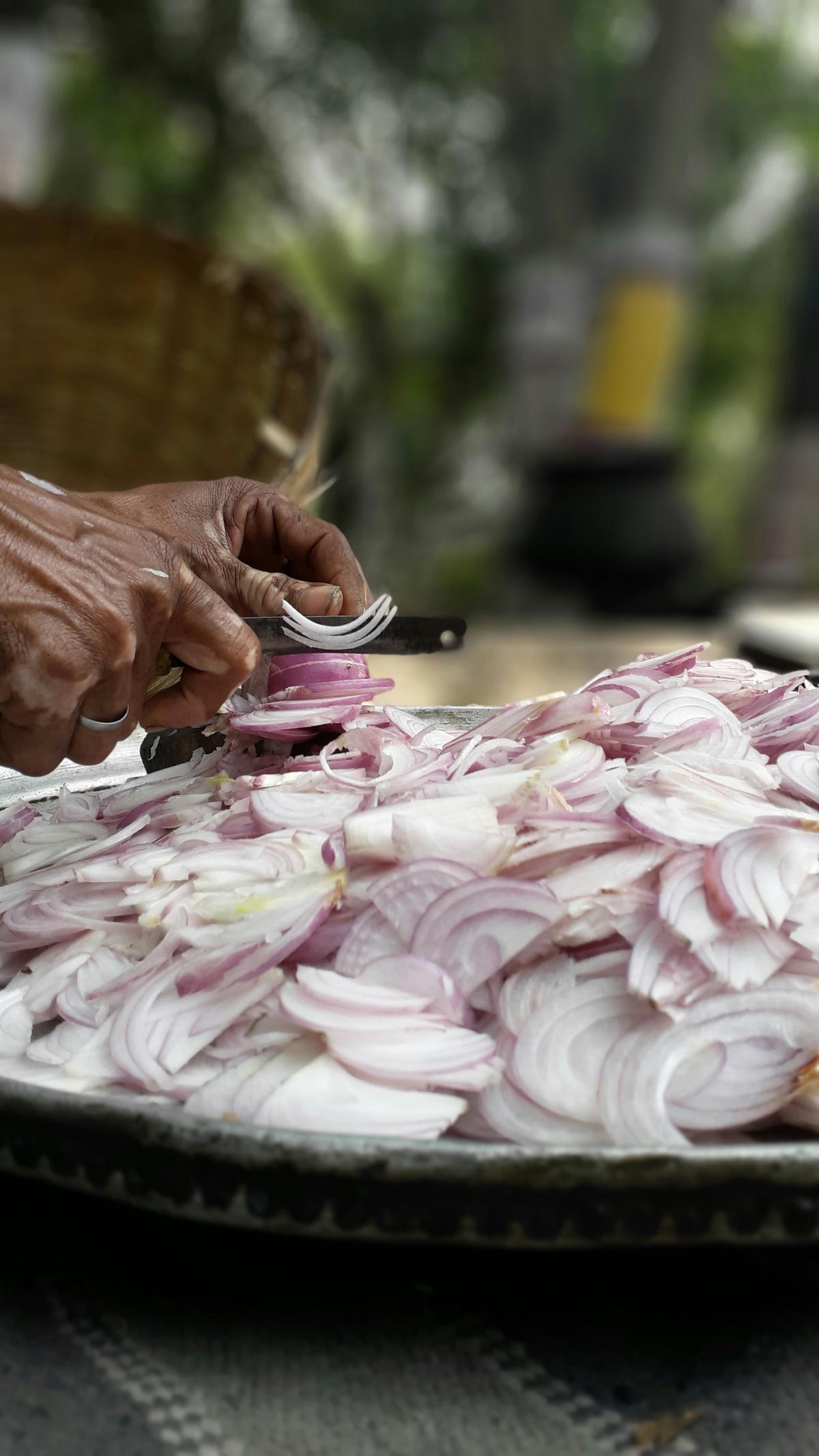
The root of our burning eyes is exactly this LF. | Photo Credit: Unsplash Images
oppose sin
Can you stop these tears? The answer is yes, strategically. If you can protect yourself from the syn-propanethyl-S-oxide molecules, you can stop crying. Here’s what you can do:
-
Keeping the fan on while cutting (it is very windy in the kitchen),
-
wearing glasses (acts like a literal shield),
-
Use of a sharp knife: A sharp knife cuts the onion cleanly, which reduces cell damage. Less haze reduces eye irritation.
-
Cut it gently: When you cut onions gently, there is less chance of the onion juice spreading over a large surface area.
myth: Another general principle is to refrigerate the onions. But last year researchers at Cornell University rejected it.

“Truly tears live in an onion that must irrigate this sorrow.”From Enobarbus to AntonyIn Antony and Cleopatra by William Shakespeare
